





Sydney Bueckert
Fitness Trainer
CES, FNS, GPTS, NASM-CPT
So, you want to start strength training. Great. It’s one of the best decisions you can make. Studies suggest lifting weights can improve body composition and boost functional fitness and longevity.
But if you’re a true beginner, picking up weights for the first time can feel daunting. And the overload of advice from social media, the gym, and friends and family (while well-intentioned) can make it easy to get lost in the sauce. The good news: Strength training doesn’t need to be complicated to be effective.
Consider this your strength training crash course. We’ve included essential info, a quick and simple routine for building full body strength, and tips to keep you on the right track as you get stronger. Class is in session.
What Is Strength Training?
Strength training is any activity where your muscles contract against an external resistance. That external resistance could be your body weight (for example, exercises like push-ups or pull ups), free weights (dumbbells, barbells, kettlebells), resistance bands, or weight machines with adjustable cables or weight stacks.
How Does Strength Training Work?
During strength training you put a controlled challenge (also called load) on your muscles. In response to that load, your muscle fibers break down slightly. Then when you rest, your muscle fibers repair and grow stronger. This muscle-building process is true regardless of the training method or equipment used, so long as the load used is challenging enough.
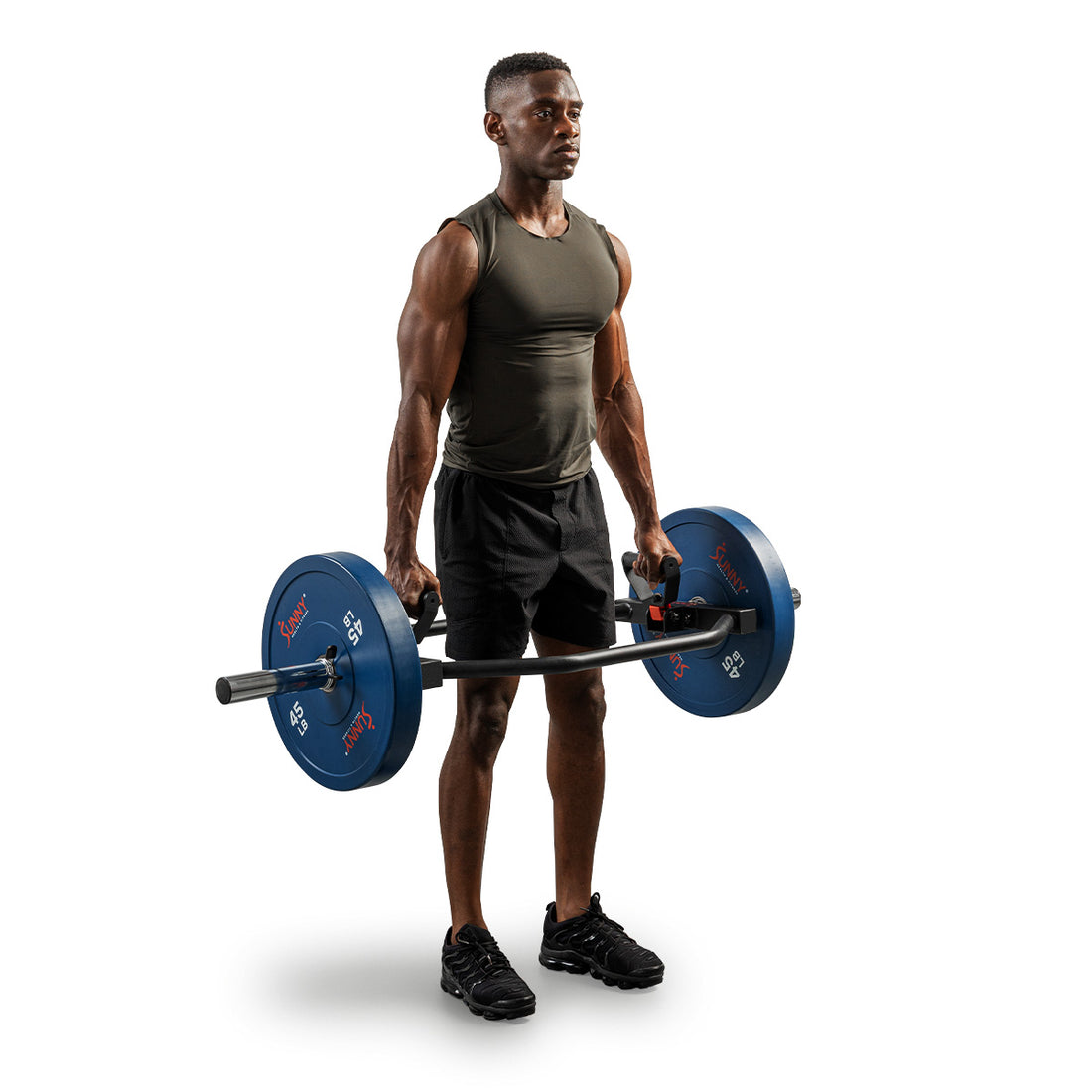
Key Strength Training Benefits
There are countless benefits to building strength. Here are the highlights:
-
Enhanced Metabolism: Muscle tissue burns more calories at rest than fat, which can help manage weight.
-
Stronger Bones: The stress placed on your bones during resistance training increases bone density, reducing risk of conditions like osteoporosis.
-
Injury Prevention: Strong muscles support joints and bones, improve balance, and reduce your risk of falling.
-
Everyday Functionality: Strength training mimics natural movement patterns, making daily tasks easier and improving your quality of life.
How To Start Lifting Weights
Starting a strength training journey is the hardest part. Here’s some basic steps that make getting started a little easier:
Commit to a schedule
Having a regular routine ensures you’re putting enough demand on your muscles to actually get stronger. We’d recommend starting with two to three full body strength workouts a week.
Can you do more? Absolutely. But starting small makes it easier to stick to your new habit. Two to three days per week gives your muscles enough stimulus to grow stronger. It also provides them with plenty of rest to recover before your next workout.
Pick your exercises
For each full body workout, a mix of exercises that hit all major muscle groups and foundational movement patterns is ideal. For example:
- Squats
- Romanian Deadlifts
- Walking Lunges
- Bench Press
- Bent Over Rows
- Farmer’s Walks
The exact mix might look a little different depending on your ability.
For example, an older adult may do better starting with bodyweight chair squats to build stability and strength without risk, before progressing to bodyweight squats, and eventually to squats holding dumbbells.
Someone with minimal lifting experience might need to work on perfecting their squat form by doing bodyweight squats with a PVC pipe before adding weight.
Remember: Each exercise exists on a spectrum of easier and harder. Don’t be afraid to use modifications as scaffolding to get your form, mobility, and functional strength up to speed before trying the harder version of an exercise.
Practice safe lifting mechanics
Form is everything. Good form helps you target the right muscles and reduce your risk of injury. As you get stronger, bad form can stall progress (especially if you’re relying on the wrong muscle groups to muscle out each rep).
There are plenty of videos online ready to teach you how to nail your first squat, pull up, or whatever exercise you need help with. Use them. And use a mirror to check your form regularly.
When in doubt, work with a trainer. They’re trained to spot compensation patterns and know the simple posture tweaks that can make your reps safer and more effective.
Lift consistently and progressively
Consistency is key to building muscle. And lifting progressively heavier over the course of your fitness journey (what trainers call progressive overload) is what helps you continue to get stronger and see results from your program.
Strength Training Workouts for Beginners
Ready to get started? Try these strength workouts for beginners, led by Sunny’s team of certified personal trainers. They’ll walk you through each exercise as you do the workout together and offer exercise modifications if you need to make the workout easier or harder.
Bodyweight Workouts:
● 15-Minute Full Body
● 20-Minute Full Body
Dumbbell Workouts:
● 15-Minute Full Body
● 20-Minute Full Body
Barbell Workouts:
● 20-Minute Full Body
● 25-Minute Full Body

Strength Training FAQs
You’ve got questions about strength training, we’ve got answers.
What dumbbell weight do I start with?
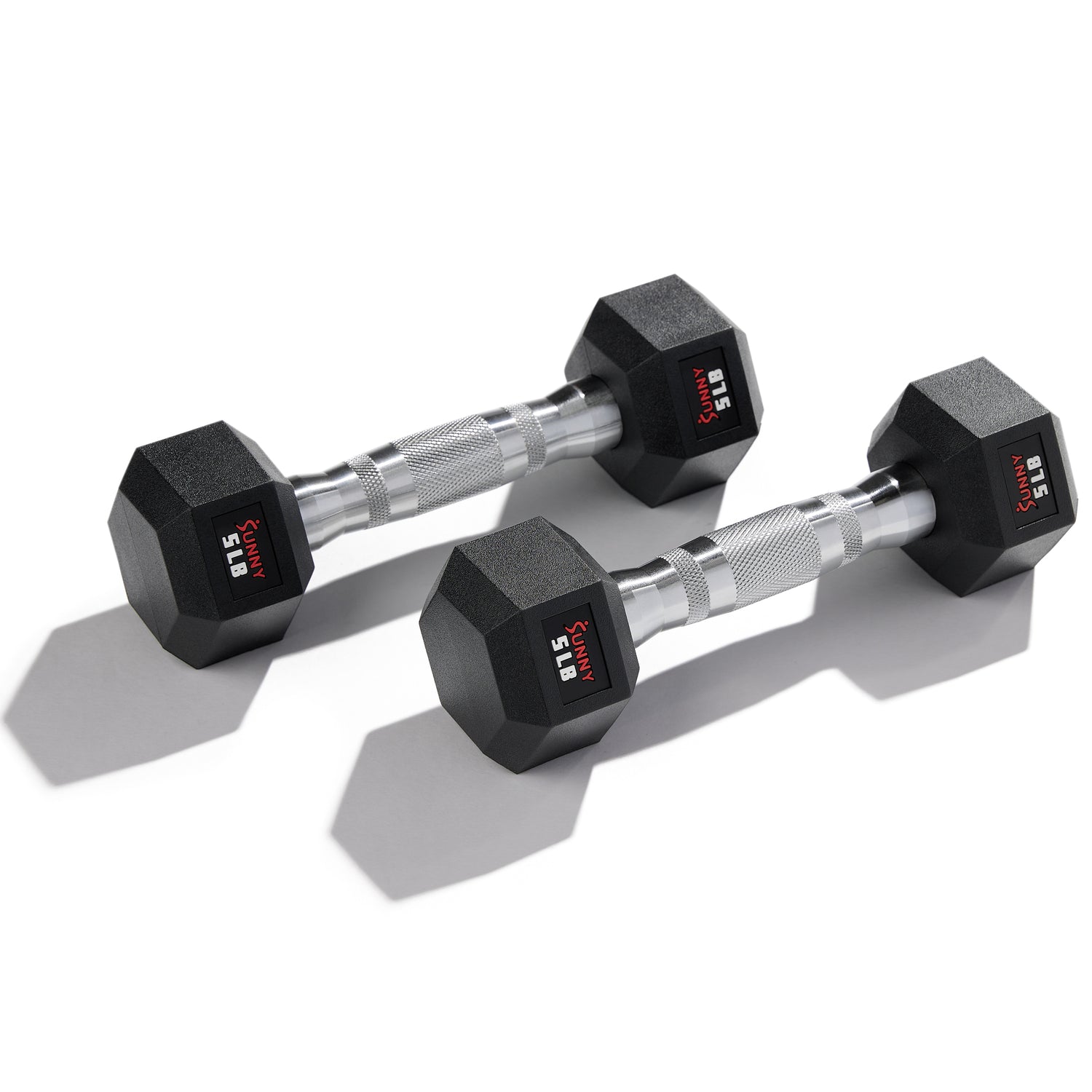
Start light. For most beginners, 5-to 10-pound dumbbells is a good starting point. For those who are starting with an advantage (maybe you lift heavy loads at work, are active in other ways, or have lifted weights in the past) you might be able to start heavier—10 to 20 pounds or so.
Focus on high quality reps not weight. If you lift too much too soon, delayed onset muscle soreness can last for days and hinder performance at your next workout. That’s why starting light and gradually progressing is key.
How many reps and sets should I do?
Beginners should start with 2-3 sets of 15-20 reps, and rest 30 to 60 seconds between sets. This rep and set scheme is ideal for working with lighter weight or bodyweight, and is great for building the muscular endurance and conditioning needed before lifting heavier.
When you’re ready to bump up the weight, you can transition to less reps and more sets to focus on hypertrophy (3-6 sets of 6-12 reps) or strength (3-5 sets of 1-5 reps).
Why am I not seeing results from strength training?
What you do outside the gym matters. Some other factors to keep in mind:
-
Diet: To build muscle you need to eat enough protein (aim for around 1 gram per pound of bodyweight), and the right balance of carbs and fats.
-
Rest: Your muscles repair and rebuild as you sleep. If you aren’t sleeping enough, that slows down the recovery process.
-
Stress: Stress hormones have a negative impact on recovery. So, finding ways to reduce or manage stress can help streamline results.
The Bottom Line
Beginning a strength training routine is one of the best things you can do for your health, the hardest part is knowing where to start. Stick to a simple routine that involves two to three days of strength training a week, and basic exercises like squats and bench press.
Start with light loads (bodyweight or 5–20-pound dumbbells is plenty), prioritize good form, consistency, and progression over time and you will see results.


Add Your Name & Email
Please enter your name and email to continue.We won’t display your email publicly.