




Denise Cervantes
Fitness Trainer
ACSM-CPT, AFAA-CGFI
October is National Cholesterol Month, a perfect time to focus on the importance of maintaining healthy cholesterol levels. High cholesterol can lead to serious health issues, including heart disease and stroke. While medication is known to be effective, many people like to explore natural methods to manage their cholesterol levels.
Understanding Cholesterol
Cholesterol is a waxy fat -like substance found in your body’s cells and blood. Your body needs cholesterol to build healthy cells, make hormones, bile and vitamin D, but high levels can increase your risk of heart disease. Cholesterol levels are measured in milligrams per deciliter (mg/dL) and are categorized as follows:
Total cholesterol: Less than 200 mg/dL is considered healthy, while 240 mg/dL and above is high.
LDL (low-density lipoprotein): Often referred to as "bad" cholesterol, ideal levels are below 100 mg/dL.
HDL (high-density lipoprotein): Known as "good" cholesterol, levels should be 60 mg/dL or higher.
Cholesterol becomes harmful when transported in the blood by low-density lipoprotein (LDL). Elevated LDL levels are strongly associated with atherosclerosis and other cardiovascular diseases. Below are key mechanisms by which cholesterol contributes to health risks. (NIH Research Reveals New Insights about How “Bad” Cholesterol Works in the Body, 2024):
Elevated LDL Levels: When levels of LDL cholesterol are high, it can deposit cholesterol in the walls of arteries, leading to plaque formation. This process, known as atherosclerosis, can narrow arteries and increase the risk of heart disease and stroke.
Genetic Factors: Some individuals may be genetically predisposed to high cholesterol levels. Conditions like familial hypercholesterolemia can cause the body to process cholesterol inefficiently, leading to elevated LDL levels from a young age, regardless of diet and exercise.
Diet and Lifestyle: A diet high in saturated fats, trans fats, and cholesterol can contribute to increased LDL levels. Additionally, factors such as lack of physical activity, smoking, and obesity play significant roles in cholesterol management.
How to Reduce Cholesterol Naturally Through Diet
Diet plays a crucial role in managing cholesterol levels. Managing cholesterol through diet is effective because dietary choices can significantly influence blood cholesterol levels. Foods high in saturated fats and trans fats can raise LDL (bad cholesterol) levels, while those rich in unsaturated fats can help increase HDL (good cholesterol) levels. A diet abundant in fruits, vegetables, whole grains, and legumes provides essential nutrients and fiber that can lower cholesterol and promote overall heart health.
Additionally, a balanced diet aids in maintaining a healthy weight, which is crucial since excess weight is linked to higher cholesterol levels. Some dietary patterns, particularly those rich in fiber, can help stabilize blood sugar levels, which is important since high blood sugar can also affect cholesterol levels.
Ultimately, managing cholesterol through diet can be a sustainable long-term strategy that encourages healthier eating habits rather than relying solely on medication. Incorporating foods like oats, nuts, fatty fish, and olive oil while reducing intake of red meat, processed foods, and sugary items can create a heart-healthy diet that promotes better cholesterol management. Here are some more ideas of foods that can help lower cholesterol naturally:
Oats and Barley

Starting your day with a bowl of oatmeal can be a powerful way to lower cholesterol. Oats contain soluble fiber, which helps reduce LDL cholesterol by binding to it in the digestive system and removing it from the body. A study published in the American Journal of Clinical Nutrition found that consuming just 3 grams of soluble fiber daily can help lower cholesterol levels significantly (Soliman, 2019).
Fruits and Vegetables

Fruits and vegetables are rich in antioxidants and dietary fiber, which can help lower cholesterol. Apples, grapes, strawberries, and citrus fruits are particularly effective due to their high pectin content, a type of soluble fiber. The American Heart Association recommends incorporating at least five servings of fruits and vegetables into your daily diet (American Heart Association, 2021).
Nuts

Walnuts, almonds, and other nuts can also help lower cholesterol. They are high in polyunsaturated fats and fiber, which can improve heart health. A study in the Archives of Internal Medicine found that consuming a handful of nuts daily can lead to a significant reduction in LDL cholesterol (Ros, 2010).
Fatty Fish

Fatty fish, such as salmon, mackerel, and sardines, are excellent sources of omega-3 fatty acids, which can help lower triglyceride levels and reduce overall cholesterol. The American Heart Association recommends eating at least two servings of fatty fish each week (American Heart Association, 2021).
Legumes

Beans, lentils, and chickpeas are not only high in fiber but also low in fat, making them a great option for lowering cholesterol. Including legumes in your diet can help replace higher-fat proteins, which can contribute to elevated cholesterol levels.
Whole Grains

Switching to whole grains instead of refined grains can help lower cholesterol. Whole grains like brown rice, quinoa, and whole-grain bread are rich in fiber and nutrients that support heart health.
How to Reduce Cholesterol Naturally Through Exercise
In addition to dietary changes, regular physical activity is essential for maintaining healthy cholesterol levels. Here are some effective forms of exercise.
Aerobic Exercise

Engaging in aerobic activities such as walking, jogging, cycling, or swimming can help raise HDL cholesterol while lowering LDL cholesterol and triglycerides. The American Heart Association recommends at least 150 minutes of moderate-intensity aerobic exercise per week (American Heart Association, 2021).
Strength Training

Incorporating strength training exercises, such as weightlifting or resistance band workouts, at least twice a week can also contribute to lower cholesterol levels. Building muscle can increase your metabolism and help your body manage cholesterol more effectively.
Resistance training is essential for managing cholesterol levels and promoting cardiovascular health as it helps increase HDL cholesterol, which aids in removing LDL cholesterol from the bloodstream. Additionally, resistance training supports weight management by building muscle and boosting metabolism, which is crucial since obesity is linked to higher LDL and lower HDL levels.
It also improves insulin sensitivity, reducing the risk of type 2 diabetes, and can lower triglyceride levels, further contributing to heart health. By incorporating resistance training into a regular exercise routine alongside aerobic activities, individuals can effectively manage cholesterol and enhance overall cardiovascular fitness.
High-Intensity Interval Training (HIIT)

HIIT workouts, which alternate between short bursts of intense activity and periods of rest or lower-intensity exercise, can be particularly effective for improving cardiovascular health and lowering cholesterol. Research has shown that HIIT can lead to significant improvements in cholesterol levels in a shorter time compared to traditional steady-state cardio (Buchheit & Laursen, 2013).
Lifestyle Changes to Lower Cholesterol
In addition to diet and exercise, certain lifestyle changes can further support cholesterol management.
Quit Smoking
If you smoke, quitting can improve your HDL cholesterol levels. The benefits of quitting smoking extend beyond cholesterol management, as it also reduces your risk of heart disease and stroke.
Limit Alcohol Intake
Moderate alcohol consumption may have some heart health benefits, but excessive drinking can lead to high cholesterol and other health issues. The American Heart Association recommends limiting alcohol to one drink per day for women and two drinks per day for men (American Heart Association, 2021).
Manage Stress
Chronic stress can negatively impact cholesterol levels and overall heart health. Practicing stress-reduction techniques such as mindfulness, meditation, yoga, or deep breathing exercises can help keep your cholesterol levels in check.
Equipment for Healthy Living
Investing in the right equipment can support your journey to lower cholesterol naturally. Here are some suggestions:
Fitness Tracker
Using a fitness tracker can help you monitor your physical activity levels and motivate you to stay active. Many models offer heart rate monitoring, which can help you gauge the intensity of your workouts.
Home Exercise Equipment
Having equipment at home, such as dumbbells, resistance bands, or a stationary bike, can make it easier to incorporate regular exercise into your routine, especially if you have a busy schedule.
Some great ideas for at-home equipment for starters can be things like this Sunny Health and Fitness rower, which comes in at roughly $300, a steal considering many rowers cost more than $1,000. The SF-RW5801 operates with a magnetic resistance system, which helps cut the noise factor down when compared to a water or air rower. Switch effortlessly between 16 levels of magnetic tension using the ergonomic, easy-turn knob which is located just below the LCD display. This is just one idea of how convenient an at-home cardio machine can be. There are many Sunny Health and Fitness cardio machines that are great in the home and even better on the wallet.
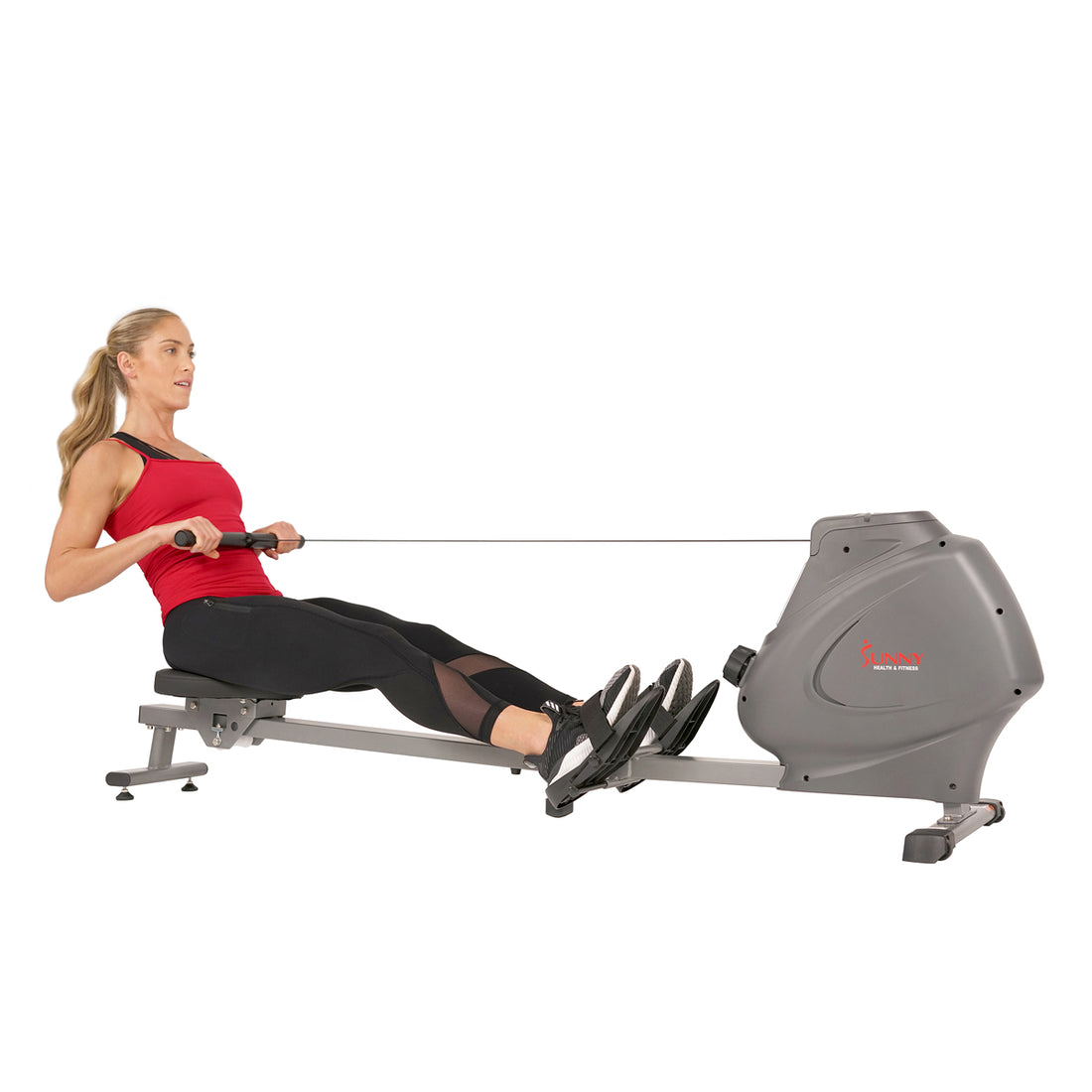
A huge highlight of Sunny’s machines is that they take the dimensions into consideration, along with the foldability of their machines. This is excellent for those who need space and may live in small apartments. Personally, I love that I can leave my machines out and not take up too much living space. I also love the fact that if ever I need to clear up more space, I can just fold them up and wheel them out into the closet.
Some Sunny Health and Fitness machines feature preset programming. What's great is that the digital monitors can display key workout metrics, including time, stroke count, total count, and calories burned. There’s also a built-in device holder at the top of the center console if you prefer to train with another program on your device.
Kitchen Tools
Investing in high-quality kitchen tools, like a food processor or blender, makes preparing nutritious meals and cholesterol-lowering smoothies effortless. Pair that with airtight glass storage containers, and you’ll have a simple, convenient way to meal prep and stay on track with healthy eating even when life gets busy.
Conclusion
Lowering cholesterol naturally may be achievable through a combination of dietary changes, regular exercise, and lifestyle modifications. By incorporating heart-healthy foods, engaging in physical activity, and making mindful lifestyle choices, you can significantly impact your cholesterol levels and overall health. This National Cholesterol Month, take the opportunity to prioritize your heart health and implement these natural strategies.
By embracing these natural methods, not only can you lower your cholesterol, but you can also enhance your overall health and well-being.
Disclaimer: At Sunny Health & Fitness, our writers share general health and wellness information for educational purposes only. This content is not a substitute for professional medical advice, diagnosis, or treatment. Always consult your personal health care provider with any questions regarding your health or before making changes to your wellness routine.


Add Your Name & Email
Please enter your name and email to continue.We won’t display your email publicly.