





Sydney Bueckert
Fitness Trainer
CES, FNS, GPTS, NASM-CPT
So, you want to run your first marathon. Congratulations. Ask anyone who has crossed that finish line and they will tell you the same thing. Very few accomplishments feel more powerful, more personal, or more unforgettable.
However, before you conquer your first 26.2 miles, there is marathon training to tackle, typically 12 to 20 weeks of dedicated preparation, depending on your running experience and current fitness level.
Here’s what you need to know to reach the starting line feeling prepared and confident, including a marathon training plan designed specifically for beginners.
Marathon Beginners Start Here
Running a marathon without any prior experience is possible, but it is not ideal. Gradually building a base of mileage, participating in a few shorter races, and creating a system of accountability will make the journey far more manageable and far less overwhelming.

Build a Running Base
The repetitive pounding of running, especially the longer distances and higher volumes of marathon training, can be tough on your joints. Before committing to training for a marathon, try to run consistently for at least a year.
Aim to regularly hit around 20 miles per week (injury free). This will prepare your body for the inevitable spike in mileage when you start marathon training.
Progress Gradually
Injuries and burnout are common among runners, especially beginners. They are also two of the main reasons many hopeful marathoners never make it to the starting line.
A good rule of thumb is to avoid increasing your mileage by more than 10 percent per week. This gradual progression is enough to challenge your fitness without leading to overtraining.
Do Some Shorter Races
Aim to complete a few shorter races, such as a 5K, 10K, or half marathon, to become familiar with structured training and race-day experience. Gradually progress to longer distances throughout the year, allowing your fitness and confidence to build naturally toward a marathon.
Find Accountability
Running is hard, but being part of the right community can make it far more enjoyable and keep you moving through unmotivated days and tough stretches. Whether you join a local running club, work with an in-person or virtual coach, or connect with others on the SunnyFit app, built-in accountability can make all the difference in staying consistent.
How to Train for a Marathon
Once you’re ready to take on the challenge of a marathon, here are the tried-and-true principles of training, fueling, and preparing your body and mind for race day.

Sign Up for a Race
Once you choose your race, commit to it. Registering gives you a clear start date for training and adds a level of accountability that helps you stay consistent when the miles begin to add up. Take time to research your options carefully, paying attention to the difficulty of the course, elevation profile, race logistics, parking, and typical weather conditions for that time of year.
Whenever possible, consider selecting a local race to simplify travel and minimize disruptions to your routine. Staying close to home allows you to maintain your usual running, fueling, and sleep schedule in the days leading up to race day, and it also increases the chance that friends or family can be there to support you at the finish line.
Start a Marathon Training Plan
Most marathon training plans run for 12 to 20 weeks. If you’re a beginner, you’ll need all the prep time you can get. An 18 to 20 week plan offers more gradual progression than shorter plans, and will help you feel the most prepared on race day.
There is no one “right” way to train for a marathon. Every training plan is a little different. The most important thing is that you’re consistently running, progressively increasing your mileage, and taking ample time for rest and recovery.
Many plans will also include one speed run a week. Speed runs can increase your lactate threshold and aerobic capacity faster than long, slow running. They’re also great for picking up your pace and improving your running form. Speed sessions shouldn’t be the sole focus of marathon training, but they are helpful and add in some much-needed variety to keep it interesting.
Consider Cross Training

Some plans incorporate cross training, and some don’t. It’s up to you to decide whether you need or want it in your training plan.
Cross training involves swapping out running for a lower impact form of cardio, like cycling, swimming, or the elliptical. The main draw is that it’s easier on your body than running, while still contributing to overall aerobic fitness.
Most plans use cross training as a recovery tool, swapping out a short recovery or easy run with one cross training workout a week, for example.
Incorporate Strength Training
Running should be the focus of your training. But strength training can help prevent injury by fortifying your muscles and connective tissue for long training sessions and big miles.
That said, if you weren’t already strength training before starting a marathon training plan, it’s really not a great time to add it. Because marathon training is already so demanding on your body, adding even more on top of that is a recipe for overtraining. In this case, your strength training may look like physical therapy or “pre-hab” strength exercises, to help] you stay injury free during your training.
If you do strength train, plan it on a speed day, after your run. That way you can run on fresh legs, while keeping your easy days easy.
Warm Up and Cool Down
As a runner, warm-ups and cool-downs are often the first things to be skipped. On easy, long, or recovery runs, they may not always be essential, since the pace is typically slow enough to allow your core temperature and muscles to rise and fall gradually on their own. However, being intentional about how you start and finish your runs becomes increasingly important as intensity increases.
On speed work days, however, be sure to warm up and cool down well. 1-2 easy miles, and dynamic stretching and drills before a speed run can help you run efficiently and get the most out of your workout from the start. And 1-2 easy miles after will help your body slowly return to rest after the hard work you put in.
Dial in Nutrition
Marathon training is hard work. Plan to be hungry, and fill your plates with lots of nutrient-dense whole foods to fuel your runs.
You’ll likely also need to fuel during your marathon, since your body can only store so much glycogen (your body's preferred energy source for long distances). Aim to consume 30-60 grams of carbohydrates per hour.
Energy gels and chews are a popular source of carbs for running. But dried fruit like dates, and candy like jellybeans or Sour Patch Kids can also do the trick. Practice your fueling strategy during long runs to narrow down what works best for you, and do that on race day.
Stay Hydrated

Most marathons will include hydration and aid stations along the way, usually every 1 to 5 miles. Aim to take in 5-10 ounces of fluid every 15 to 20 minutes.
As for what to drink, water can be sufficient if you are getting carbohydrates and electrolytes from sources such as energy gels. During longer runs lasting more than 60 to 90 minutes, it is important to consume both carbohydrates and electrolytes to maintain performance and fluid balance. A sports drink that contains sugar can help meet both needs at once. Avoid consuming excessive amounts of plain water without sodium, as this can dilute blood sodium levels and increase the risk of hyponatremia.
Prioritize Rest and Recovery
Ample rest prevents overtraining and burnout. Rest is essential for muscle recovery and growth, which helps you gain the strength to run longer and harder.
During marathon training you should ensure you rest:
- Rest days: Rest days mean no running. They let your mind and body fully recover.
- Recovery days: These days may involve easy running or alternate cardio. The intent is to keep moving and add to your weekly mileage total, without adding more load and stress to your body.
- Periodic step backs: There should be a few “easier” weeks of training, where your mileage drops slightly. This allows you to recoup the energy you need to keep building.
-
Pre-race taper: When you’re 1-4 weeks out from your marathon, tapering (or progressively dialing back your training) gives your body an extra recovery boost it needs to feel fresh on race day.
Sample Weekly Marathon Training Schedule
Most plans involve 3-5 days of running, along with rest and recovery days, and cross training opportunities.
Monday: Cross Training (i.e. 30 minutes cycling)
Tuesday: Run (easy, 60 minutes)
Wednesday: Rest
Thursday: Speed Run (intervals: 6x 4:00 hard, 2:00 easy)
Friday: Recovery Run (easy, 30 minutes)
Saturday: Rest
Sunday: Long Run (easy, 90 minutes)
Treadmill Marathon Training Workouts
For easy and long runs, finding the right pace and locking it in is the name of the game. If you’re struggling to find that pace, this 30 Minute Treadmill Endurance Run will get you on the right track. Use this run as a launch pad for finding your groove and pacing longer runs.
For speed runs, you’ll want to skip out on shorter sprints and stick to runs with longer work and rest periods. This might look like intervals, Fartleks, or hill workouts that feature 1-4 minutes of work and plenty of rest or recovery. Or, go for a continuous tempo run at a faster clip. Get up to speed with this 20 Minute Treadmill Fartlek Workout or 25 Minute Treadmill Interval Workout.
And don’t forget the warm up and cool down. This 10-Minute Running Treadmill Warmup and 10-Minute Running Cooldown are resources to come back to again and again throughout your training.
Best Treadmills for Marathon Training

Since most marathons are held outside on streets or trails, we recommend mimicking that surface in your training when possible. Ideally, long runs should be outside. Still, the treadmill is a great option for speed or tempo workouts when you want to nail a particular pace.
The best treadmills for marathon training are sturdy and durable, designed to hold up to regular, high-volume use. Like our most popular heavy-duty treadmill, the SF-T723017 Excel Smart Incline/Decline 20” Deck Treadmill.
Look for a treadmill that offers a wide range of speed and incline options to cover any workout on your schedule. For example, the SF-T723030 Premium Foldable Auto Incline Smart Treadmill has 15 levels of incline and speeds up to 10MPH.
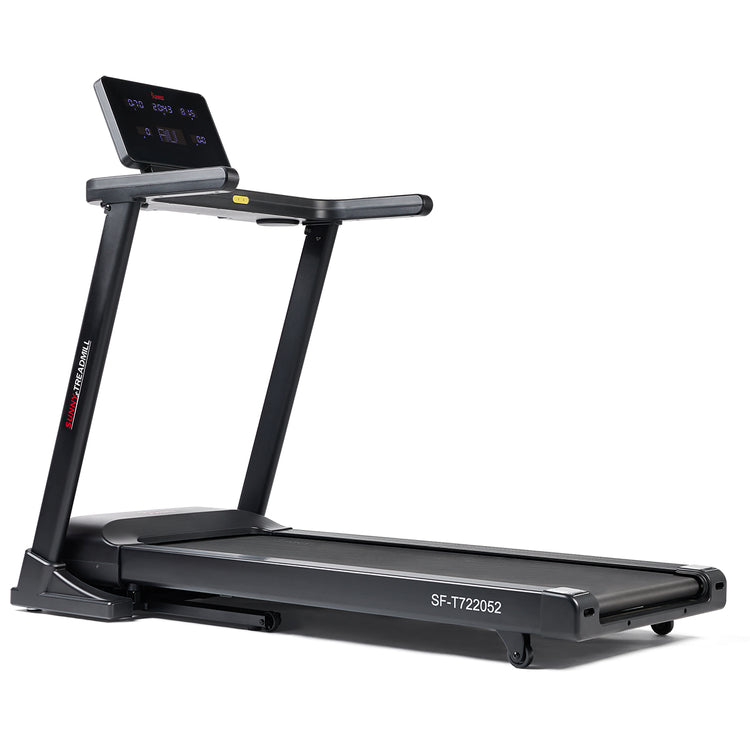
A wide tread deck, like the one featured on the SF-T722052 Astra Elite Premium
Auto Incline Smart Treadmill, is also a must for keeping you comfortable during long runs and speed workouts.
The Bottom Line
There’s a reason only around 1% of the world's population has completed a marathon; it’s tough work. When marathon training seems like a lot (and it will), remind yourself that you signed up for a marathon to challenge yourself, and so long as your training and rest are dialed in, you’re doing exactly what you need to do to get stronger and faster.




Add Your Name & Email
Please enter your name and email to continue.We won’t display your email publicly.