




Denise Cervantes
Fitness Trainer
ACSM-CPT, AFAA-CGFI
High blood pressure, also known as hypertension, can sneak up on you and is often referred to as a "silent killer." High blood pressure is defined as a consistent reading of 140/90 mmHg or higher. It frequently has no symptoms but can lead to severe health complications, including heart disease, stroke, and kidney failure.
Recent data from the American Heart Association (AHA) indicates that nearly 50% of adults in the United States have hypertension or are on medication to control it (AHA, 2022). The condition is responsible for approximately 670,000 deaths annually in the U.S. alone, making it a significant public health issue (CDC, 2021).
It’s important to keep blood pressure in check, and there are a variety of non-medicated ways to do just that. Let’s explore how you can lower your blood pressure naturally, the best cardio equipment to use, and some effective workouts to jumpstart your journey.
What Causes High Blood Pressure?
Understanding what causes high blood pressure is essential. Several factors can contribute, including:
-
Genetics: Family history can play a significant role.
-
Diet: High salt intake, cholesterol, and processed foods can elevate blood pressure.
-
Lack of Physical Activity: A sedentary lifestyle can lead to weight gain and increased pressure on the heart.
-
Stress: Chronic stress can contribute to hypertension.
-
Age: Blood pressure tends to rise as you age.
- Obesity: Carrying extra weight puts more strain on your heart.
Before participating in any exercise program, always consult your doctor to be sure that any program or exercise is safe and appropriate for you, especially if you’re dealing with any pre-existing pain or any of the above-listed conditions.
Who is Most at Risk for High Blood Pressure?
Various demographics have a greater risk for having higher blood pressure. If you fall into one of these groups, you may consider making lifestyle modifications to help decrease the likelihood of developing hypertension.
1. Older Adults
The risk of high blood pressure increases with age. Approximately 70% of individuals over the age of 65 are affected by hypertension (CDC, 2021).
2. Ethnicity
Certain ethnic groups, particularly African Americans, are at a higher risk for hypertension. Studies suggest that African Americans develop high blood pressure earlier in life and experience more severe cases compared to other ethnicities (AHA, 2022).
3. Family History
A family history of hypertension significantly increases the likelihood of developing the condition. Genetics plays a crucial role in determining an individual’s risk.
4. Lifestyle Factors
Individuals with sedentary lifestyles, poor dietary habits, and high levels of stress are at greater risk. Obesity is one of the most significant risk factors linked to hypertension.
What Can I Do to Lower My Blood Pressure?
High blood pressure, or hypertension, can be a real concern for many people. But the good news is there are natural ways to manage and even lower it. Let’s dive into what causes high blood pressure, how exercise plays a role, and some effective methods to help you keep your numbers in check.
Lowering Blood Pressure Through Risk Factor Modification
If you’re looking to lower your blood pressure by changing your lifestyle, consider incorporating these strategies into your routine:
Eat a Balanced Diet
Focus on a heart-healthy diet rich in:
-
Fruits and Vegetables: Aim for a variety of colors to maximize nutrients.
-
Whole Grains: Foods like brown rice and whole wheat bread are great choices.
-
Lean Proteins: Opt for fish, poultry, and legumes.
- Healthy Fats: Incorporate sources like avocados, nuts, and olive oil.
Incorporate plenty of fruits, vegetables, whole grains, and lean proteins into your meals. Foods rich in potassium, such as bananas, spinach, and sweet potatoes, can help balance sodium levels in the body.
The DASH Diet
The Dietary Approaches to Stop Hypertension (DASH) diet is a well-researched dietary plan designed to combat high blood pressure. The diet emphasizes:
-
Fruits and Vegetables: Aim for at least 4-5 servings each.
-
Whole Grains: Include 6-8 servings of whole grains daily.
-
Lean Proteins: Focus on fish, poultry, and legumes.
-
Low-Fat Dairy: Limit to 2-3 servings per day.
- Nuts and Seeds: Include 4-5 servings weekly.
A landmark study published in the New England Journal of Medicine examined the DASH diet’s effectiveness. Participants following the DASH diet experienced an average reduction in systolic blood pressure of 11.4 mmHg and diastolic blood pressure of 5.5 mmHg over an eight-week period (Sacks et al., 2001). This evidence supports the DASH diet as a highly effective method for lowering blood pressure.
Maintain a Healthy Weight
If you’re overweight, losing even a small amount of weight can help reduce your blood pressure. Focus on gradual changes rather than drastic diets. Even a weight loss of 5-10% of body weight can lead to significant improvements in blood pressure levels (CDC, 2021).

Limit Sodium, Caffeine, and Alcohol Intake
Reducing sodium intake is one of the most effective strategies for lowering blood pressure. The AHA recommends limiting sodium to 2,300 mg per day, with an ideal limit of 1,500 mg for those with hypertension.
A meta-analysis of randomized controlled trials found that reducing sodium intake significantly lowers blood pressure, with participants achieving reductions of 3-7 mmHg with even modest decreases in sodium (He & MacGregor, 2004).
Also, limit alcohol to moderate levels—one drink a day for women and two for men. Excessive alcohol and caffeine intake can raise blood pressure.
Stay Hydrated
Drinking plenty of water helps maintain optimal blood volume and circulation.
Manage Stress Effectively
Chronic stress is a major contributor to high blood pressure. Techniques like mindfulness, deep breathing exercises, and yoga can help you manage stress levels.
Medication
For some individuals, lifestyle changes alone may not be sufficient. Medications such as diuretics, ACE inhibitors, and beta-blockers may be prescribed to help control blood pressure. It’s essential to consult a healthcare provider for personalized recommendations.
Get Moving with Regular Exercise
Can exercise lower blood pressure? Yes! Regular physical activity strengthens your heart and helps control weight, therefore promoting healthy blood pressure levels. Engaging in aerobic exercises such as walking, jogging, cycling, or swimming can lower blood pressure by 5-10 mmHg.

Recommended Exercise Guidelines
Physical activity is one of the best strategies for lowering blood pressure. Regular exercise strengthens your heart, allowing it to pump blood more efficiently.
The AHA and CDC recommend at least 150 minutes of moderate-intensity aerobic exercise per week, or 75 minutes of moderate-to-intense physical activity per week. Studies show that consistent physical activity improves cardiovascular health and can significantly lower hypertension risk (Cornelissen & Smart, 2013).
Cardio Equipment to Help Lower Blood Pressure
Because exercise is so crucial for a healthy heart and reducing hypertension, you may consider investing in some cardio equipment. Here are some of our favorites:
-
Treadmill: Great for walking or running at your own pace.
-
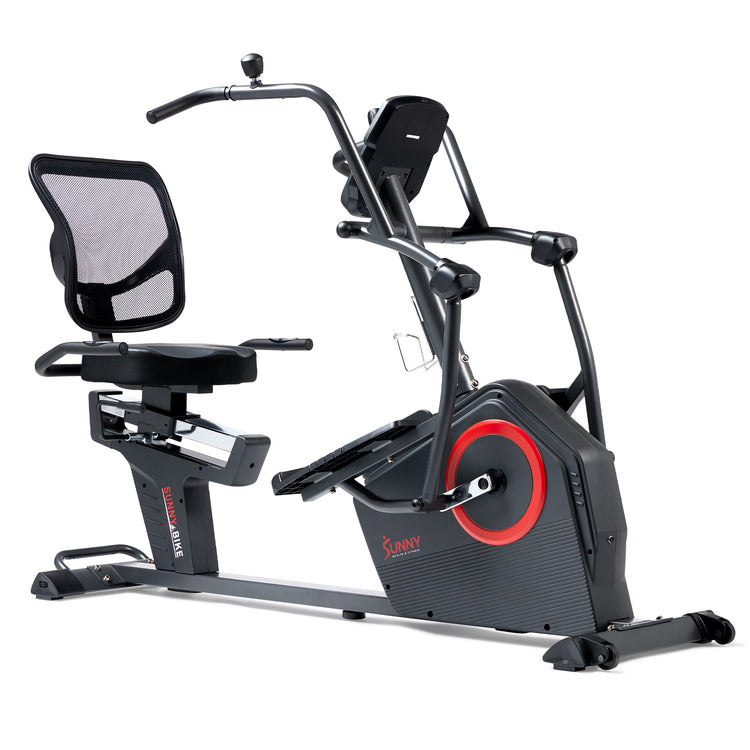
Stationary Bike: Low-impact and perfect for building endurance.
-
Elliptical Machine: Works both the upper and lower body with less stress on joints.
-
Rowing Machine: Provides a full-body workout while being easy on the knees.
- Jump Rope: A simple yet effective tool for boosting cardiovascular health.
Recommended Workouts
Here are some great workouts you can try, available on popular platforms like our SunnyFit app and Sunny Health & Fitness YouTube channel:
1. 12-Min Beginner Treadmill Walk
2. 30-Min Indoor Bike Advanced Hill Ride
3. 25 Minute Intermediate Full Body Elliptical Class
4. Beginner Rowing Workout - Basic Interval Training | 15 Minutes
5. 15 Minute Intermediate High Intensity Jump Rope Workout
Conclusion
High blood pressure is a critical health issue that can lead to severe complications if left untreated. However, numerous lifestyle modifications can help lower blood pressure effectively. The DASH diet, regular physical activity, weight management, sodium reduction, and stress management are all essential components in combating hypertension.
For those at risk, particularly older adults and specific ethnic groups, proactive measures are vital. Engaging in healthy lifestyle changes can significantly reduce the likelihood of developing high blood pressure and improve overall cardiovascular health. Remember, consistency is crucial, so find activities you enjoy, and make them a regular part of your life. Your heart will thank you!


Add Your Name & Email
Please enter your name and email to continue.We won’t display your email publicly.