




Denise Cervantes
Fitness Trainer
ACSM-CPT, AFAA-CGFI
February is American Heart Health Month, a time dedicated to raising awareness about cardiovascular health and encouraging individuals to take steps toward a healthier heart. While high-intensity workouts often grab the spotlight, low-intensity workouts can be equally effective for improving heart health, especially for those who may be new to exercise or prefer a gentler approach. This article will explore a variety of low-impact workouts that can help boost your cardiovascular health while being easy on the joints.
For someone deeply entrenched in advanced fitness, understanding the role of low-intensity workouts and how they can complement high-intensity training, ultimately contributing to overall heart health. Here’s a breakdown of what they might want to explore.
What Is a Low-Intensity Workout?
Before diving into specific exercises, it’s essential to understand what low-intensity workouts are. These workouts typically involve moderate exertion levels, allowing you to carry on a conversation while exercising. While they may not burn as many calories as high-intensity workouts, low-impact exercises can still significantly improve heart health over time. For many individuals, especially those who are older or have specific health concerns, low-intensity workouts provide a safe and effective way to stay active.
Low-Intensity Workout Benefits
Low-intensity workouts can offer a range of benefits and serve as a great complement for high-intensity training to enhance overall performance. Below are some of the advantages associated with training at a lower intensity level:
Improved Cardiovascular Health
- Aerobic Base Development: Low-intensity workouts help build a strong aerobic foundation, essential for endurance sports and overall cardiovascular fitness.
- Heart Rate Variability: Regular low-intensity training can improve heart rate variability, indicating better cardiovascular health and resilience.
Enhanced Recovery
- Active Recovery: Low-intensity workouts facilitate blood flow to muscles, promoting recovery from intense workouts and reducing soreness.
- Reduced Muscle Fatigue: Engaging in low-intensity activities helps clear lactate and other metabolic byproducts, aiding in faster recovery.
Fat Utilization and Metabolic Efficiency
- Increased Fat Oxidation: Low-intensity workouts promote the body’s ability to utilize fat for energy, which can enhance performance during longer, more intense workouts.
Metabolic Flexibility
- Training at lower intensities can improve the body’s capacity to switch between fuel sources.
Injury Prevention
- Lower Impact: Low-intensity workouts reduce the risk of overuse injuries by providing a gentler alternative to high-impact training.
- Joint Health: These workouts can help maintain joint mobility and health without excessive strain.
Mental Benefits
- Stress Relief: Low-intensity workouts can serve as a mental break from intense training, helping to manage stress and prevent burnout.
- Mindfulness and Focus: Engaging in lower-intensity activities can enhance mental clarity and focus, benefiting overall performance.
Longevity and Sustainable Training
- Long-Term Health: Incorporating Low-intensity workouts into a routine can contribute to long-term health benefits, including reduced risk of chronic diseases.
- Sustainability: Low-intensity workouts can make training more enjoyable, fostering a lifelong commitment to fitness.
Variety and Engagement
- Training Diversity: Low-intensity workouts can add variety to an athlete’s regimen, keeping workouts fresh and engaging.
- Skill Development: Activities such as yoga or light cycling can enhance flexibility, balance, and coordination, vital for overall athletic performance.
Hormonal Balance
- Cortisol Management: Low-intensity workouts can help regulate cortisol levels, counteracting some negative effects of high-intensity training.
- Insulin Sensitivity: Regular low-intensity activity can improve insulin sensitivity, supporting metabolic health.
Low-Intensity Workouts to Try for Optimizing Heart Health
1. Walking Workouts

Walking is one of the simplest and most effective forms of low-intensity exercise. You can easily incorporate walking into your daily routine, whether it’s a leisurely stroll around the neighborhood or a brisk walk in the park. Check out the SunnyFit app – any “Walking for Beginners” audio workout can guide you through different walking styles and paces, helping you stay motivated and engaged.
2. Bodyweight Exercises

Bodyweight exercises are versatile and can be modified to suit any fitness level. Here are a few effective bodyweight workouts that are great for heart health:
-
Chair Squats: Stand in front of a sturdy chair, lower yourself as if you’re going to sit down, and then rise back up. This exercise strengthens the legs and glutes while elevating your heart rate.
-
Wall Push-Ups: Stand a few feet away from a wall and lean into it while doing push-ups. This modification reduces strain on the joints and is an excellent way to work the upper body.
- Seated Leg Lifts: While sitting in a chair, lift one leg at a time to work the core and improve circulation. These exercises can be found in the SunnyFit app under “Bodyweight Strength for Beginners,” providing a gentle yet effective way to enhance your fitness.
3. Low-Impact Cardio

Low-impact cardio workouts can get your heart pumping without putting too much stress on your joints. Here are some options available through the SunnyFit app:
- Low-Impact Dance Workout: Get your groove on with a dance workout designed for all skill levels. This fun and engaging activity can improve your cardiovascular fitness while keeping you entertained.
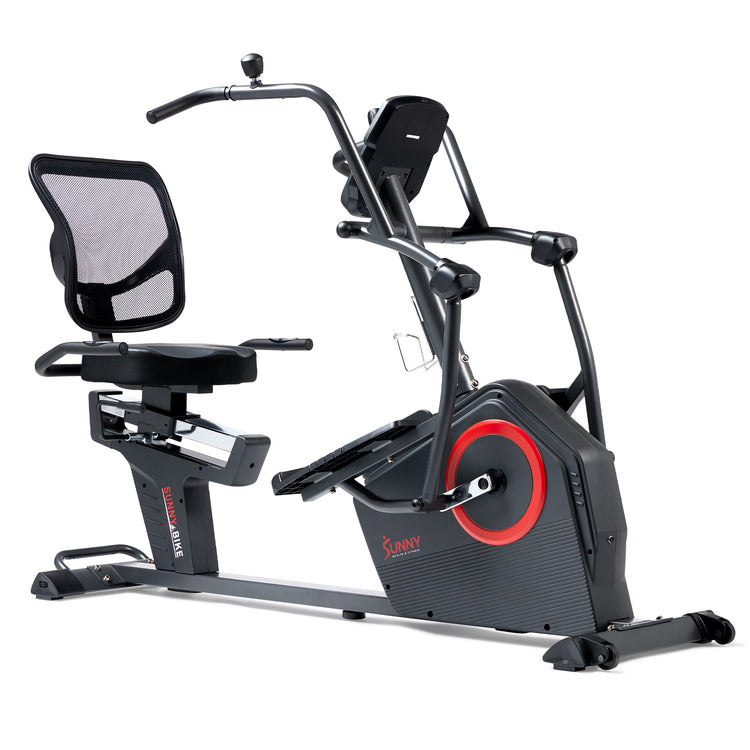
- Cycling: Using a stationary bike is an excellent way to get a cardiovascular workout that is easy on the joints. The SunnyFit app offers cycling sessions that focus on maintaining a steady pace, making them perfect for a heart health focus.
4. Yoga and Stretching

Yoga is another fantastic low-intensity workout option that promotes flexibility, balance, and relaxation. Participating in yoga can enhance your cardiovascular health as well. Any “Yoga Flow” available on the Sunny Health and Fitness YouTube channel or SunnyFit app is a gentle routine that combines focused breathing with movement, making it accessible for all levels.
Stretching exercises can also help improve circulation and flexibility. Incorporating a stretching routine post-workout can aid recovery and help prevent injuries.
5. Water Aerobics
Water aerobics is an excellent low-impact workout option, especially for those who enjoy being in the pool. The buoyancy of the water reduces the impact on your joints while providing resistance to enhance muscle strength. Aquatic workouts are designed to improve cardiovascular fitness and overall well-being.
6. Tai Chi
Tai Chi is a gentle form of martial arts that emphasizes slow, controlled movements and deep breathing. It’s excellent for improving balance, flexibility, and cardiovascular health. Tai chi practice can be learned through online videos or local classes. Incorporating it into your routine can be a peaceful way to enhance your heart health while reducing stress.
Tips for Getting the Most Out of Low-Intensity Exercise
To truly maximize the benefits of low-intensity workouts for heart health, it's essential to incorporate a few key strategies into your routine.
Consistency
First and foremost, consistency is key. The American Heart Association (AHA, 2024) recommends aiming for at least 150 minutes of moderate intensity exercise each week. This doesn’t have to feel overwhelming; you can break it down into smaller, more manageable sessions throughout the week. For instance, committing to just 30 minutes a day, five days a week, can help you reach this goal while fitting seamlessly into your lifestyle.
Hydration
Staying hydrated is another crucial aspect of any workout plan. Water plays a vital role in maintaining your energy levels, supporting your body’s functions, and aiding in recovery. Make it a habit to drink plenty of water before, during, and after your workouts to keep your body well-hydrated. This simple act can significantly enhance your performance and overall well-being.
Listen to Your Body
It’s also important to listen to your body. Pay close attention to how you feel during and after your workouts. If something doesn’t feel right or causes discomfort, don’t hesitate to adjust the intensity of your exercises. It’s perfectly okay to modify workouts to suit your comfort level, and if you have any concerns, consulting with a healthcare professional can provide extra reassurance.
Set Realistic Goals
Finally, don’t forget to set realistic goals. Focus on achievable fitness milestones that will keep you motivated and encouraged. Whether it's completing a certain number of workouts each week or mastering a new exercise, celebrating these small victories along the way can boost your confidence and make your fitness journey more enjoyable. Remember, every step counts toward better heart health, so give yourself credit for the effort you put in.
Conclusion
As we celebrate American Heart Month, it’s essential to recognize the significant impact that low-intensity workouts can have on heart health. These workouts provide a safe and effective way to improve cardiovascular fitness, enhance joint health, and promote overall well-being. By incorporating a variety of low-impact exercises into your routine—such as walking, bodyweight workouts, low-impact cardio, yoga, water aerobics, and Tai Chi—you can create a balanced fitness plan that supports your heart health.


Add Your Name & Email
Please enter your name and email to continue.We won’t display your email publicly.