




Tiffany Vargas
Fitness Trainer
NASM-CPT
GLP-1 medications have changed the way many people approach weight management, but losing weight is only one part of the bigger health picture. What you eat during the process matters, too. As appetite decreases and smaller portions become more satisfying, it can become challenging to consume enough nutrients to support your body. One nutrient that deserves particular attention is protein.
Protein plays an important role in maintaining muscle, supporting recovery, and helping the body function properly. When someone loses weight, the goal is not simply to see a lower number on the scale. It is also important to preserve strength, support overall health, and establish eating habits that can be maintained over time. A joint clinical advisory from four nutrition and obesity organizations emphasizes the importance of adequate protein, nutrient-dense foods, and resistance exercise for people using GLP-1 medications (Mozaffarian et al., 2025).
Understanding protein on GLP-1 medications can help individuals make more informed food choices without feeling pressured to follow an overly restrictive diet. The right approach does not have to involve complicated meal plans or expensive supplements. Instead, it starts with understanding your needs, choosing practical protein sources, and building balanced meals that work with your appetite and preserve muscle.
What Are GLP-1 Medications, and How Do They Affect Appetite?
GLP-1 stands for glucagon-like peptide-1, a hormone involved in regulating blood glucose and appetite. Medications that act on this pathway can help manage type 2 diabetes and support weight management. These medications can help people feel full sooner, experience less hunger, and eat smaller amounts of food. While these effects may support weight loss, they can also make it more difficult to consume enough protein, vitamins, minerals, and fluids.
A narrative review by Christensen et al. (2024) highlights that reduced food intake during GLP-1 treatment can create nutritional challenges, particularly when individuals do not receive guidance on maintaining a balanced diet. Additionally, total calorie intake may decrease by 13–39%, which may be attributed, in part, to the medication’s appetite-suppressing effects. When appetite decreases significantly, a person might unintentionally skip meals or consume too little food to meet their nutritional needs.
This is why nutrition should remain a priority throughout treatment. The goal is not simply to eat less but to make the food you do eat count. Choosing nutrient-dense foods, including protein sources, can help you get more nutritional value from smaller meals.
Why Is Protein So Important on GLP-1?
Protein is essential for building and maintaining muscle, repairing tissues, and producing enzymes and hormones. It also supports numerous other functions throughout the body. During weight loss, protein becomes especially relevant because reductions in body weight can include losses of both fat and lean tissue. Mozaffarian et al. (2025) identify adequate protein intake and muscle-strengthening exercise as key nutritional priorities for people using GLP-1 medications for obesity treatment. These strategies are particularly important when appetite suppression makes it difficult to consume enough food.
Protein can also contribute to feelings of fullness, although GLP-1 medications themselves already influence appetite. Therefore, eating more protein is not a guarantee of greater weight loss, and the objective should not be to maximize protein at the expense of other nutrients.
Instead, focus on including an appropriate amount of protein in a balanced eating pattern. Combining protein with vegetables, fruits, whole grains, and healthy fats helps ensure that your diet provides more than just one important nutrient. Protein is one part of a broader approach to protecting your health during weight loss. It works best alongside sufficient overall nutrition, appropriate physical activity, and individualized medical guidance.
How Much Protein Do You Need on GLP-1?
One of the most common questions people ask is, "How much protein on GLP-1 should I eat every day?" The answer depends on several factors, including body size, age, activity level, health history, kidney function, and whether you are actively losing weight. There is no single protein target that is appropriate for everyone taking these medications.
For generally healthy adults, the recommended dietary allowance for protein is 0.8 grams per kilogram of body weight per day. This is a baseline recommendation intended to meet the needs of most healthy adults, rather than a specialized target for people undergoing substantial weight loss (National Academies of Sciences, Engineering, and Medicine, 2005).
During active weight reduction, higher protein targets are sometimes recommended. The joint advisory by Mozaffarian et al. (2025) discusses approximately 1.2–1.6 grams per kilogram per day as a potential range during weight loss, while noting that individual requirements and the best method of calculating protein needs remain important considerations.
For people with obesity, calculating protein requirements using current body weight alone may overestimate individual needs. A healthcare professional or registered dietitian can help determine whether current weight, target weight, adjusted weight, or another measure is most appropriate.
How to Get Enough Protein When Your Appetite Is Low
Knowing your protein target is one thing; reaching it when you are barely hungry is another. Because GLP-1 medications can reduce appetite, large meals may feel uncomfortable or overwhelming. Rather than forcing yourself to eat oversized portions, focus on smaller, balanced meals that include a meaningful protein source.
Mozaffarian et al. (2025) recommend practical strategies such as prioritizing protein-rich foods and using smaller, more frequent meals when appetite is limited.
For example, you might build your day around a few manageable eating occasions:
-
Breakfast: Greek yogurt with berries.
-
Lunch: A small chicken or tuna wrap.
-
Snack: Cottage cheese or a protein-rich drink.
-
Dinner: Baked fish with rice and cooked vegetables.
The portions should reflect your individual needs and tolerance. You do not have to follow this exact schedule or eat at set times if another approach works better for you.
Another helpful strategy is to eat your protein source early in a meal when you are comfortable doing so. If you fill up quickly, beginning with the most nutrient-dense part of your meal may make it easier to obtain adequate protein. It can also help to keep convenient foods available. Hard-boiled eggs, individual yogurt containers, canned tuna, cooked chicken, and ready-to-drink protein beverages can reduce the effort required to prepare meals.
What to Eat on GLP-1: The Best Protein Sources
When deciding what to eat on GLP-1, prioritize foods that provide protein along with other useful nutrients. There is no single best protein food. A varied approach can help make meals more enjoyable and support overall dietary quality.
-
Lean meats and poultry: Chicken, turkey, and lean cuts of meat provide high-quality protein. They can be prepared in advance and added to salads, wraps, grain bowls, or simple dinners.
-
Fish and seafood: Salmon, tuna, shrimp, and other seafood provide protein. Fatty fish such as salmon also contain omega-3 fatty acids.
-
Eggs: Eggs are a convenient protein source that can be prepared in several ways. Pairing them with toast, fruit, or vegetables can create a balanced meal.
-
Dairy products: Greek yogurt, cottage cheese, milk, and some higher-protein dairy products provide protein and may also supply calcium. Choose options that fit your preferences and nutritional needs.
-
Plant-based proteins: Beans, lentils, peas, tofu, tempeh, nuts, seeds, and soy products can help people meet their protein needs without relying entirely on animal foods. Beans and lentils also provide fiber.
-
Protein supplements: Protein powders and ready-to-drink shakes can be useful when appetite is limited or preparing food feels difficult. However, they are optional rather than essential, and they should complement a nutritious diet instead of routinely replacing all meals.
The best choice is one you tolerate well, enjoy eating, and can access consistently. You do not need to buy specialty products or expensive supplements to build a protein-rich diet.
Spread Protein Throughout the Day
Another practical strategy is to distribute protein across several eating occasions rather than trying to consume most of it at dinner. For example, someone with a daily target of 90 grams might aim for approximately 25 grams at breakfast, 25 grams at lunch, 25 grams at dinner, and 15 grams from a snack. This is only an example; your target and meal pattern may differ. Protein distribution can be helpful because it creates several opportunities to meet your needs without relying on one large meal. It may also be easier to manage when you feel full quickly.
The joint advisory by Mozaffarian et al. (2025) discusses prioritizing protein and choosing practical foods that help individuals meet nutritional goals despite reduced appetite. You can make this approach simple by asking yourself one question when planning a meal: "What is my protein source?" That might be eggs at breakfast, chicken at lunch, yogurt as a snack, and fish or tofu at dinner. Once you identify your protein source, add other foods to create a more balanced meal.
Remember that protein is not the only nutritional priority. Fruits, vegetables, whole grains, healthy fats, and adequate fluids still matter. A meal pattern that meets your protein goal but consistently excludes other essential foods may leave nutritional gaps. Alongside nutrition is also muscle preservation and resistance training needed to support overall well-being during weight loss.
Do You Need Protein Shakes or Supplements on GLP-1?
Protein shakes can be convenient, particularly for people who find solid foods less appealing or struggle to meet their protein goals through meals alone. A shake may be easier to consume than a full meal when appetite is low, but whether you need one depends on your overall diet.
Before purchasing supplements, assess how much protein you already get from food. If you regularly eat eggs, yogurt, fish, poultry, tofu, or legumes, you may be able to meet your needs without adding a supplement. If you do choose a protein shake, compare the protein content, added sugars, calories, and ingredient list. Some products provide mostly protein, while others function more like meal replacements with additional carbohydrates, fats, vitamins, and minerals. Neither type is automatically better; the appropriate option depends on what your diet is missing.
It is important, however, to avoid assuming that protein supplements can replace a balanced diet. They do not automatically provide the same range of nutrients as a varied eating pattern. If you have kidney disease or another condition that affects protein requirements, check with your healthcare professional before increasing protein intake or beginning a supplement. More protein is not always better, and individual medical needs should guide the decision.
Why Strength Training Matters Alongside Protein
Protein is important, but it is not the entire solution to maintain muscle during weight loss. Your muscles also need an appropriate physical stimulus to maintain strength and function. Resistance training provides that stimulus. Activities such as lifting weights, using resistance bands, performing bodyweight exercises, or working with weight machines can help maintain or build muscle when appropriately programmed.
The American Diabetes Association's Standards of Care in Overweight and Obesity emphasize combining adequate protein intake with muscle-strengthening activity during treatment with obesity medications (American Diabetes Association Professional Practice Committee for Obesity, 2026). If you are new to strength training, start with manageable sessions and learn proper technique. A qualified trainer or physical therapist can help you choose exercises that fit your fitness level, health history, and abilities.
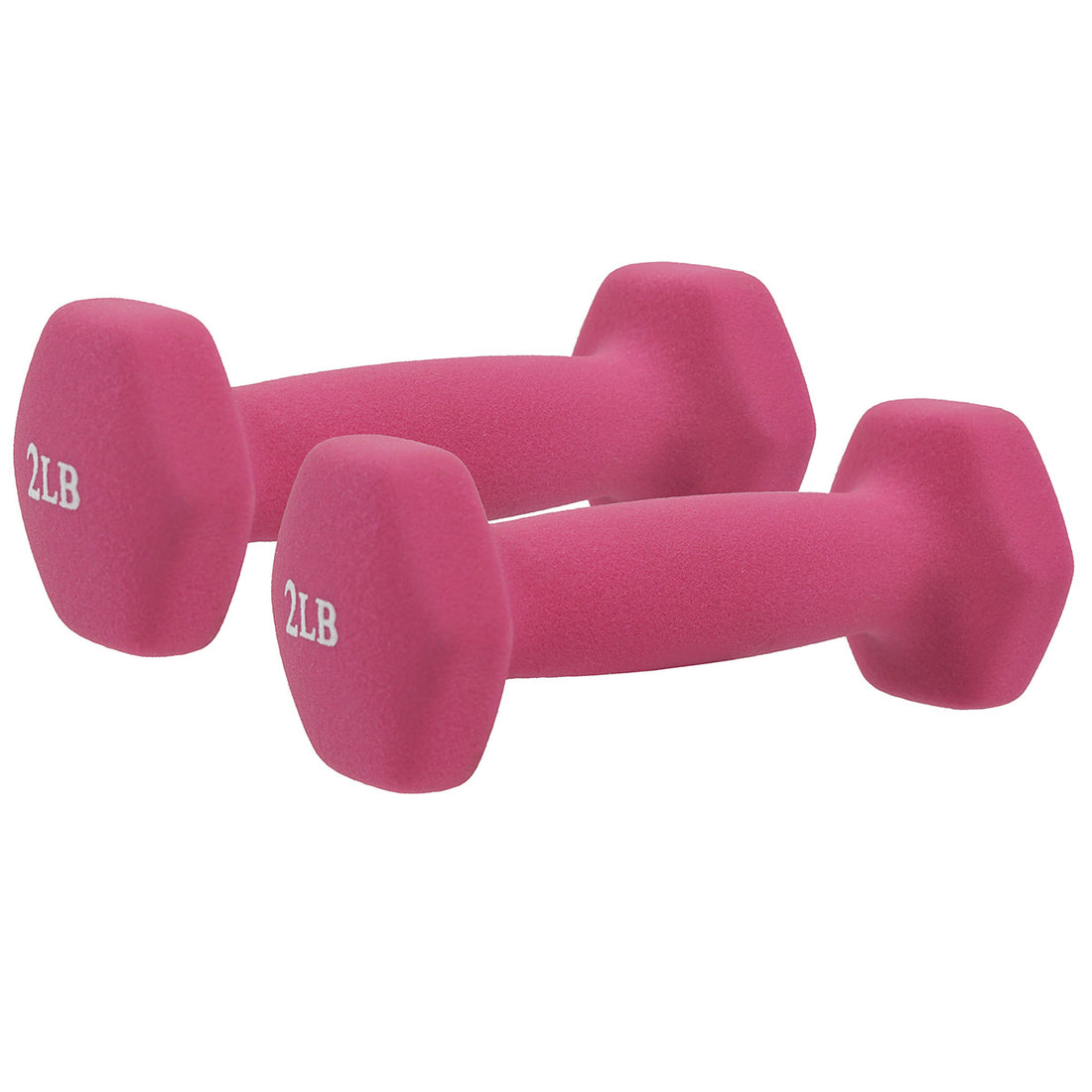
Building a consistent strength-training routine is another way to incorporate resistance exercise into your training. Using equipment such as dumbbells, kettlebells, and resistance bands can gradually introduce resistance and adapt to different levels as your strength improves. Sunny Health and Fitness offers a variety of home fitness equipment to help make strength training more accessible.
You do not have to lift heavy weights every day. A structured routine that gradually progresses and allows time for recovery is generally more sustainable than an intense program you cannot maintain. Walking and other aerobic activities remain valuable for cardiovascular health and overall fitness. Strength training simply addresses an additional priority: supporting muscle and physical function during weight loss.
Simple At-Home Exercises to Support Your Fitness Routine
Combining strength training and aerobic activities can help support muscle strength, physical function, and overall health. Activities such as walking or cycling support cardiovascular fitness though it is important to introduce strength exercises into your routine to maintain muscle during weight loss.
Start with building home workout routine, one that fits your current fitness level and gradually increase resistance or weight as strength improves. Here are a few exercises to consider:
- Squats
- Rows
- Glute Bridges
- Shoulder press
- Deadlift
- Plank
- Bird dog
- Lunges
Focus on proper form and choose a resistance or weight that feels manageable. Allow enough time for recovery between strength-training sessions. As your fitness improves, gradually adapt your routine to match your abilities and goals.
For some extra guidance, check out SunnyFit, which offers a variety of workouts to help you explore different forms of exercises at home. Pair consistent movement with protein and balanced nutrition can help support muscle preservation and overall well-being during your weight-loss journey.

5 Common Protein Mistakes to Avoid on GLP-1
Even with good intentions, it is easy to develop habits that make nutrition more complicated than it needs to be.
- Focusing exclusively on the number on the scale. Rapid weight loss may seem encouraging, but it is still important to monitor energy, strength, food intake, and overall well-being.
- Assuming higher protein intake means better results. Protein supports many important functions, but excessive intake is not a substitute for balanced nutrition. It should not displace fruits, vegetables, fiber-rich carbohydrates, or healthy fats.
- Skipping meals because you are not hungry. This can make it harder to meet your needs. If your appetite is consistently low, consider small eating occasions and discuss persistent difficulties with your healthcare team.
- Relying entirely on protein bars and shakes. These products can be convenient, but a varied diet offers a broader range of nutrients and food experiences.
- Copying another person’s protein target because of similar body weights or using the same medication. Individual requirements differ considerably, especially when medical conditions affect dietary recommendations.
An effective approach is to establish a realistic target, prioritize nutrient-dense foods, include appropriate physical activity and monitor your progress with professional support when needed.
Build a Sustainable Nutrition Routine
The most useful nutrition plan is one you can maintain in everyday life. You do not need to measure every ingredient, track every gram of protein, or prepare elaborate meals to make progress. Start by identifying a few protein sources you enjoy and keeping them readily available. Plan simple meals, prepare ingredients in advance when possible, and use convenient foods when time or appetite is limited. Also note that protein alone is not sufficient to preserve lean mass during substantial weight loss. Combine adequate nutrition with strength training can help with preserving muscles and supporting physical function.
Pay attention to how you feel as well. Persistent fatigue, weakness, dizziness, ongoing nausea, or difficulty eating enough should not be ignored. These symptoms can have several causes and warrant discussion with a healthcare professional, particularly if you are experiencing significant vomiting or signs of dehydration.
It is also worth remembering that GLP-1 treatment is only one part of a broader health plan. Adequate nutrition, physical activity, sleep, hydration, and ongoing medical follow-up all contribute to long-term well-being. Rather than striving for perfect meals every day, focus on consistent habits that support your health. Small, practical changes can make it easier to nourish your body throughout treatment and beyond.
Conclusion
Protein deserves attention when using GLP-1 medications because reduced appetite can make it more difficult to meet nutritional needs during weight loss. Adequate protein can help support muscle maintenance, recovery, and overall health, especially when paired with resistance training and a balanced eating pattern.
However, the question of how much protein on GLP-1 is not answered by one universal number. Protein needs vary, and higher targets sometimes used during active weight loss should be individualized rather than applied automatically.
Focus on including convenient protein sources in your meals, eating in a way that works with your appetite, and maintaining a varied diet that provides more than protein alone. Supplements may help when necessary, but they are not required for everyone.
Most importantly, do not measure success only by how quickly you lose weight. Maintaining strength, supporting your nutritional needs, and developing sustainable habits are meaningful parts of the process. With appropriate medical guidance and a realistic nutrition plan, you can make food choices that support your health throughout GLP-1 treatment.


Add Your Name & Email
Please enter your name and email to continue.We won’t display your email publicly.