




Denise Cervantes
Fitness Trainer
ACSM-CPT, AFAA-CGFI
Starting a new workout program or changing your current routine can be exciting. Maybe you've decided to begin strength training, signed up for a new type of fitness class, or dusted off your running shoes after a long break. Then, one or two days later, it hits: your legs feel heavy, sitting down becomes a challenge, and even walking up the stairs seems like a workout. If this sounds familiar, you are not alone.
Muscle soreness is one of the most common experiences among beginners and experienced exercisers alike. It is a normal response to exercise and can even be a sign that your body is adapting to new physical demands. However, knowing how to recover from muscle soreness can make the process much more comfortable.
As a kinesiologist, CrossFit coach, and college physical education instructor, I often remind my students and athletes that recovery is just as important as the workout itself. The body does not get stronger during exercise; it gets stronger during recovery.
What Causes Muscle Soreness?
The soreness you feel after exercise is commonly called Delayed Onset Muscle Soreness (DOMS). DOMS typically develops 12 to 24 hours after exercise, peaks between 24 and 72 hours, and may last anywhere from three to five days [2].
DOMS often occurs after:
• Starting a new exercise program
• Increasing workout intensity or volume
• Returning to exercise after a period of time off
• Performing eccentric exercises, such as lowering into a squat or slowly lowering a dumbbell
Researchers believe DOMS results from microscopic damage to muscle fibers and surrounding connective tissues, leading to inflammation and temporary reductions in strength and mobility [1].
Although the word "damage" sounds alarming, these tiny disruptions are a normal part of the adaptation process. With them, your muscles repair themselves and become better prepared to handle future exercise demands.
Muscle Soreness vs Muscle Pain After a Workout
Normal muscle soreness is usually diffuse and achy with it lasting a few days after you’ve pushed yourself. Muscle pain, on the other hand, may show up as sharp, localized, and persistent pain which may indicate an injury.
Look for these symptoms to identify if you are feeling muscle soreness or something more serious. If you are experiencing muscle pain, seek medical attention.
| Muscle Soreness | Muscle Pain |
| Mild to moderate tenderness in the muscles | Sharp or stabbing pain |
| Temporary stiffness | Severe swelling or significant bruising |
| Reduced range of motion | Joint instability or unable to bear weight |
| Soreness on both side of the body after exercise | Dark-colored urine |
| Discomfort that improves within several days | Pain that worsens instead of improving |
How to Recover from Body Soreness
Many people assume complete rest is the best solution for sore muscles. While taking a break from intense exercise can be beneficial, total inactivity is not always the most effective strategy.
Research consistently supports several recovery methods that can help reduce discomfort and improve performance recovery.
1. Keep Moving with Active Recovery
One of the best ways to promote muscle recovery is through low-intensity movement.
Active recovery increases circulation, helping deliver oxygen and nutrients to recovering muscles while assisting with the removal of metabolic byproducts.
Examples of active recovery include:
- Walking
- Easy cycling
- Gentle rowing
- Light stretching
-
Mobility exercises
A systematic review by Dupuy et al. (2018) found that active recovery strategies can help reduce perceived soreness and improve recovery between exercise sessions [1].
Try an Exercise Bike
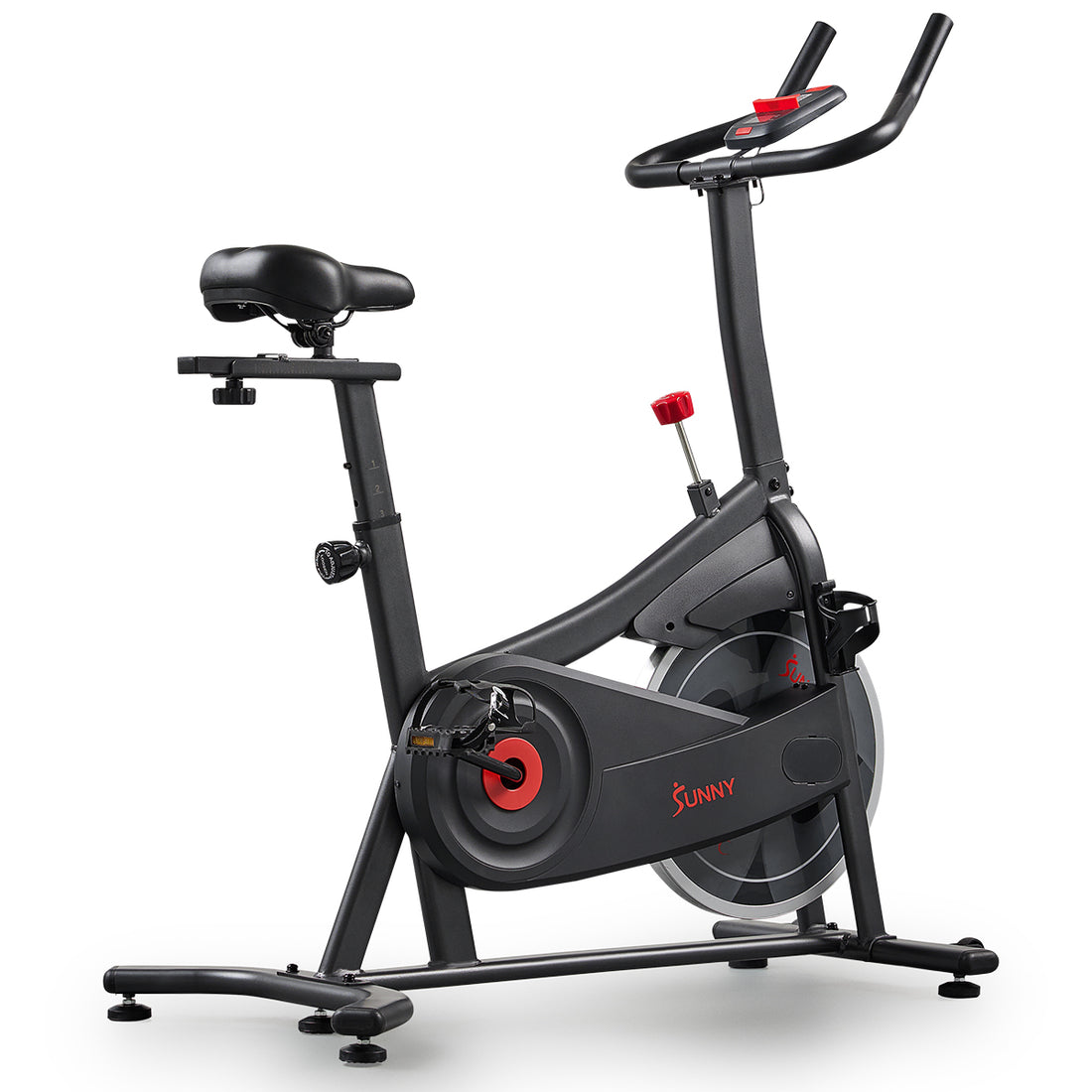
When beginners in my classes report soreness after their first lower-body workout, I usually recommend 10 to 15 minutes of easy cycling rather than another leg workout. The effort should remain low enough to hold a full conversation.
A low-impact session on a Sunny Health & Fitness exercise bike is an excellent recovery tool. Cycling at an easy pace for 15 to 30 minutes can help loosen stiff muscles without adding excessive stress to the joints.
Use a Rower for Gentle Full-Body Movement
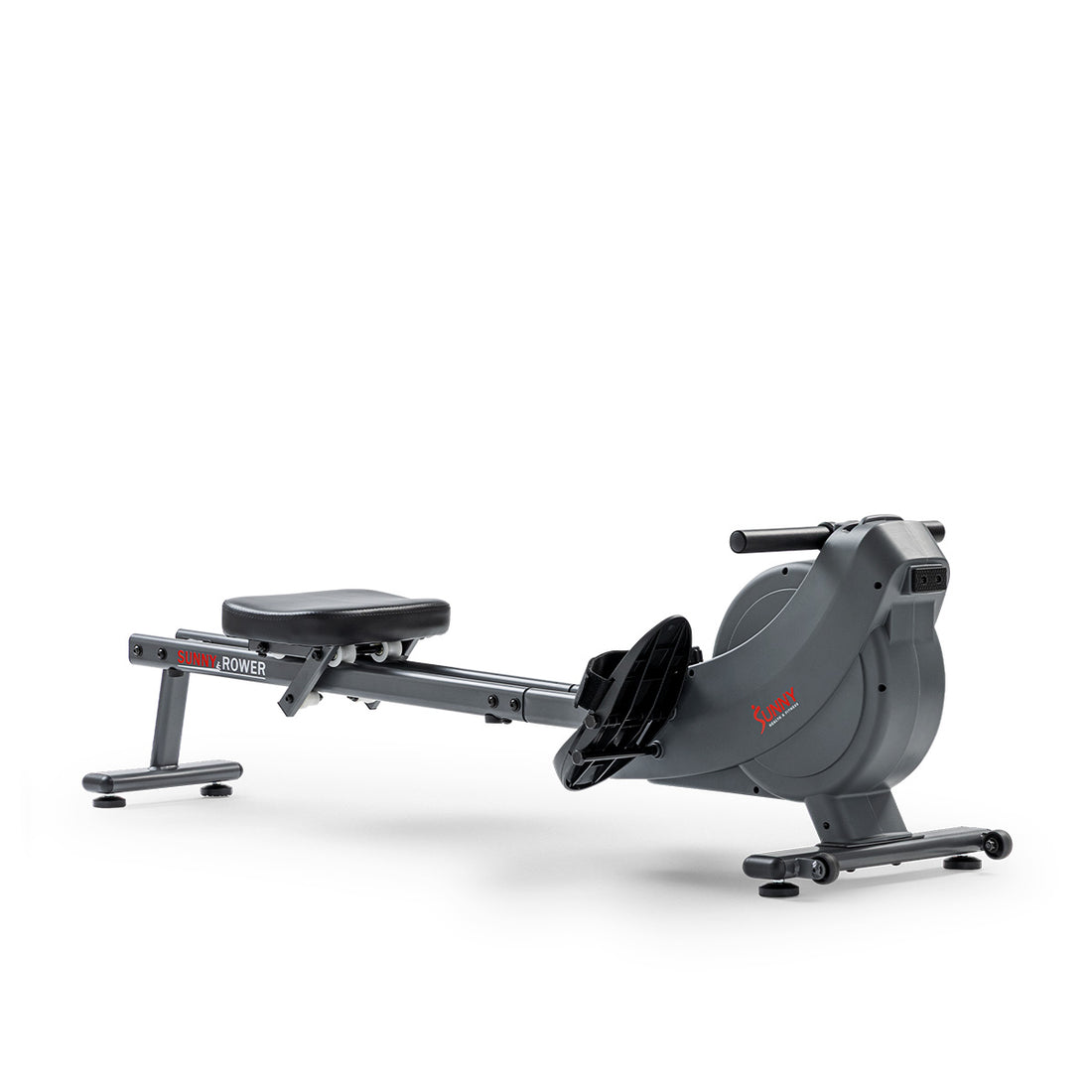
Indoor rowers provide rhythmic, low-impact exercise that engages both the upper and lower body. Performing a light rowing session can encourage blood flow and reduce feelings of stiffness throughout the body.
Choose an Elliptical for Low-Impact Cardio
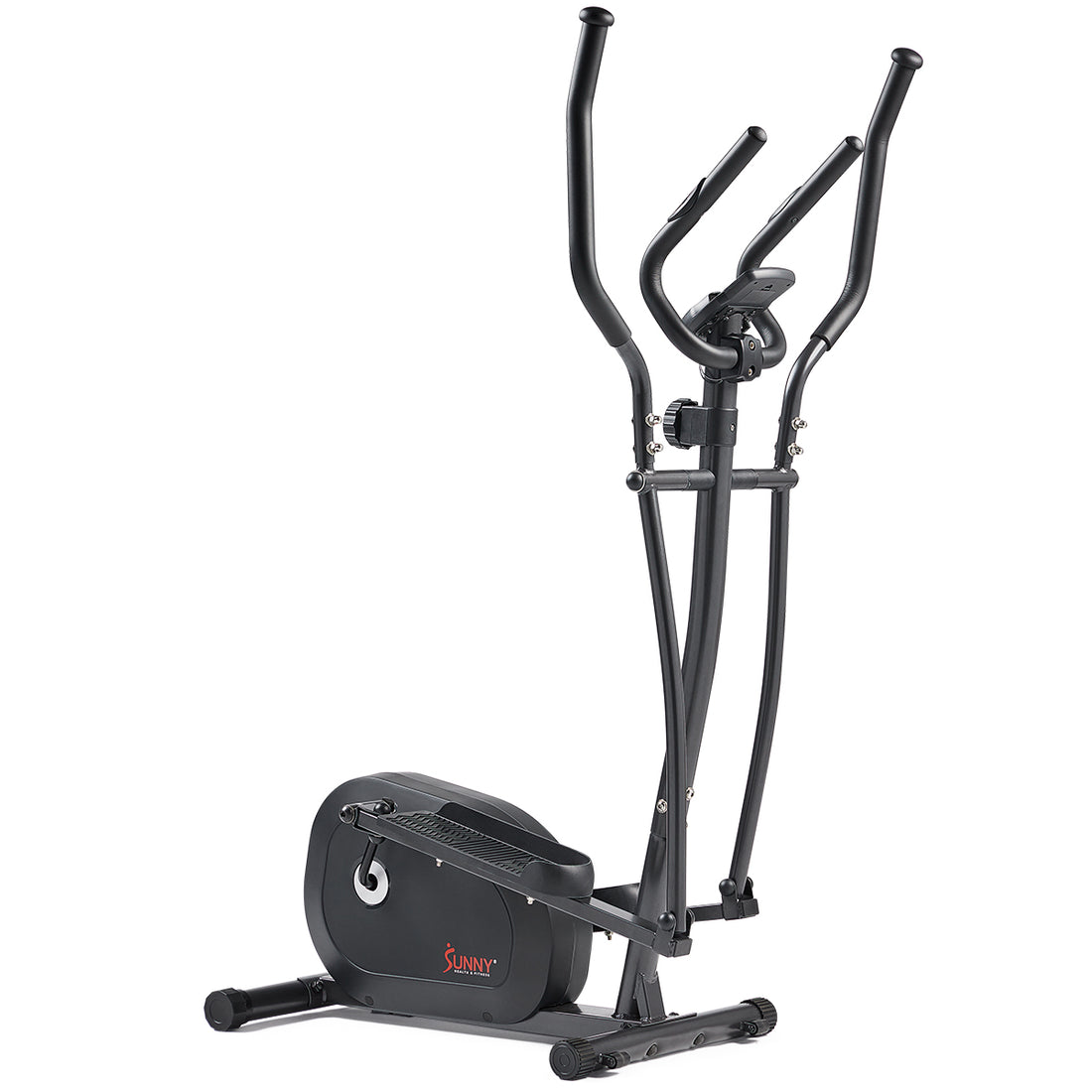
Ellipticals are another excellent recovery option because they allow the body to move through a natural gait pattern with minimal joint impact.
The goal of active recovery is not to achieve another hard workout. Instead, it is simply to encourage movement and circulation.
2. Prioritize Hydration
Dehydration may worsen perceptions of fatigue and impair exercise performance.
Water plays an essential role in:
- Nutrient transportation
- Temperature regulation
- Joint lubrication
- Muscle function
Although hydration alone will not eliminate soreness, staying adequately hydrated supports the body's natural recovery processes.
A practical recommendation is to:
- Drink water consistently throughout the day.
- Consume additional fluids before and after exercise.
- Replace fluids lost through excessive sweating.
Athletes participating in high-intensity training or exercising in hot environments may also benefit from beverages containing electrolytes.
3. Eat to Support Recovery
Nutrition is one of the most overlooked aspects of recovery.
Exercise creates a demand for nutrients that help repair tissues and replenish energy stores.
Protein
Protein provides amino acids that support muscle repair and adaptation.
Most active adults benefit from consuming approximately 1.4 to 2.0 grams of protein per kilogram of body weight per day, depending on training demands.
Good protein sources include:
- Chicken
- Fish
- Eggs
- Greek yogurt
- Cottage cheese
- Tofu
- Beans
- Protein shakes
Carbohydrates
Carbohydrates replenish glycogen stores that become depleted during exercise.
Including carbohydrates after training may improve recovery and prepare the body for future workouts.
Examples include:
- Oatmeal
- Fruit
- Rice
- Potatoes
- Whole-grain bread
Anti-Inflammatory Foods
Certain foods may help support recovery by reducing excessive inflammation.
Examples include:
- Berries
- Leafy greens
- Fatty fish
- Nuts
- Olive oil
I often recommend to my clients after an intense workout to consume a balanced recovery meal containing both protein and carbohydrates. It is the simplest and most effective strategy for supporting recovery and keep you performing at your best.
4. Make Sleep a Priority
If recovery had a secret weapon, it would be sleep.
During sleep, the body performs many essential recovery functions, including:
- Protein synthesis
- Hormone regulation
- Tissue repair
- Immune function
Research by Walsh et al. found that sleep is one of the most important factors influencing athletic recovery and performance [3].
Unfortunately, many adults sacrifice sleep while trying to fit exercise into busy schedules. Aim for approximately seven to nine hours of quality sleep per night.
Some helpful strategies include:
- Maintaining a consistent bedtime
- Limiting screen time before bed
- Keeping the bedroom cool and dark
- Avoiding excessive caffeine late in the day
Even one or two nights of improved sleep can make a noticeable difference in recovery.
5. Use Foam Rolling and Mobility Work
Foam rolling has become increasingly popular among athletes and recreational exercisers.
Research suggests that self-myofascial release techniques, such as foam rolling, may help:
- Reduce soreness
- Improve range of motion
- Enhance recovery perception
A 2023 review by Lewis et al. found that foam rolling can provide meaningful reductions in DOMS and improve feelings of recovery [2].
Sunny Health & Fitness foam rollers and stretching accessories can be valuable tools for addressing areas that feel particularly tight after exercise.
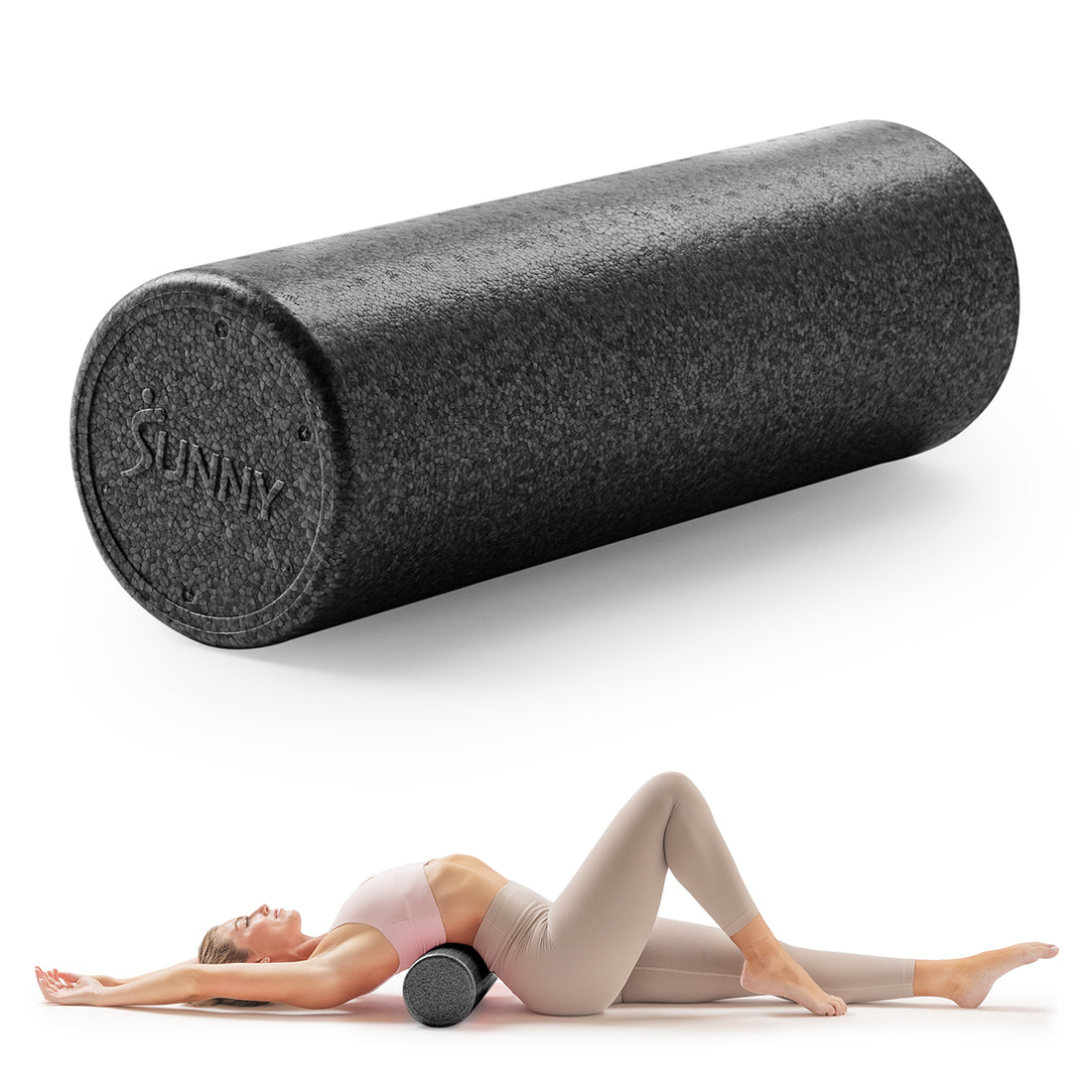
Spend approximately 30 to 60 seconds on major muscle groups, including:
- Quadriceps
- Hamstrings
- Glutes
- Upper back
- Calves
The goal is some pressure, not pain.
Foam rolling has become increasingly popular among athletes and recreational exercisers because it can help reduce muscle soreness, improve range of motion, and enhance feelings of recovery.
Dr. Kelly Starrett, physical therapist and author of Becoming a Supple Leopard, encourages people to make mobility work a daily practice, stating, "Spend 10 to 15 minutes a day working on your mobility. And never take a day off" [5].
Starrett also describes techniques such as foam rolling and "smashing" as methods to improve tissue quality and restore the ability of muscles and connective tissues to slide and glide efficiently. By applying gentle pressure to areas that feel stiff or restricted, individuals may improve mobility, decrease feelings of tightness, and promote recovery from exercise-induced soreness.
With my clients and students who experience tight quadriceps, glutes, calves, or upper back, I recommend they incorporate foam rolling, especially after training to failure during their lower-body workouts. This useful recovery tool can help reduce stiffness and make movement feel more comfortable during the days following intense exercise.
Sunny Health & Fitness foam rollers and stretching accessories can be valuable additions to a recovery routine. Spend approximately 30 to 60 seconds on major muscle groups, breathing slowly and allowing the muscles to relax rather than forcing painful pressure into the tissues.
6. Stretch to Improve Mobility
Static stretching immediately after exercise may not completely prevent soreness, but regular mobility work can help restore comfortable movement, reduce stiffness, and improve overall movement quality.
Combining mobility exercises with light cardio often leaves people feeling significantly better than remaining sedentary.
In addition to being a college physical education instructor, I also teach yoga, which is a great exercise to add to your active recovery days.
Yoga gives me an opportunity to slow down, tune into my body, and pay attention to areas that feel tight or fatigued from training. Whether I have been lifting heavy, coaching multiple classes, or completing a high-intensity workout, taking time to stretch and move intentionally always leaves me feeling better.
Regular mobility and flexibility work can also have long-term benefits for performance and recovery. Improving joint mobility and maintaining healthy ranges of motion can make exercises feel more efficient and comfortable, potentially reducing unnecessary stress on the body during training.
I have found that when I consistently prioritize mobility work, I experience less stiffness, recover more effectively, and feel more prepared for my workouts. It is one of the simplest habits that supports both performance and longevity in fitness.
Try incorporating:
- Hip flexor stretches
- Hamstring stretches
- Chest openers
- Cat-camel movements
- Thoracic rotation exercises
- Gentle yoga flows
Combining mobility exercises, yoga, and light cardio often leaves people feeling significantly better than remaining completely sedentary during recovery days.
7. Ease Into New Exercise Programs
One of the best ways to recover from body soreness is to avoid becoming excessively sore in the first place.
When starting a new program:
- Begin with lower training volumes.
- Increase intensity gradually.
- Allow adequate recovery days.
- Listen to your body's feedback.
I have noticed that many clients who are starting their fitness journey often become discouraged after experiencing severe soreness during their first week of exercise and mistakenly believe they are not fit enough.
In reality, soreness often means the body is simply adapting to a new challenge.
8. How Your Fitness Age Impacts Muscle Soreness
Another important factor that influences soreness is something exercise professionals refer to as your “fitness age” or “training age”.
Training age is not the same as your chronological age. Instead, it refers to the amount of time your body has consistently participated in structured exercise or athletic training. For example, a 50-year-old who has been strength training and exercising regularly for 20 years may have a much higher training age than a 25-year-old who is just beginning their fitness journey.
As a coach, I often tell my athletes that the body becomes remarkably efficient at handling stress when it is exposed to exercise consistently over time. Through repeated training, the muscles, connective tissues, cardiovascular system, and nervous system all adapt to higher workloads. This means that experienced exercisers often recover more quickly and experience less severe soreness than beginners, even after challenging workouts.
This phenomenon is partly explained by what researchers call the repeated bout effect. The repeated bout effect refers to the body's ability to adapt after being exposed to a particular exercise stimulus. Following an initial workout that causes significant soreness, the muscles develop protective adaptations that reduce muscle damage and soreness during future training sessions [4].
For example, someone performing squats for the first time may experience significant soreness for three to five days afterward. However, after several weeks of consistent training, that same individual can often perform the same workout with minimal soreness because the body has adapted to the stress.
Individuals with a higher training age often demonstrate:
- Greater muscular endurance
- Improved movement efficiency
- Better tissue resilience
- Faster recovery between training sessions
- Reduced perception of soreness
- Increased tolerance for higher training volumes and intensities
In contrast, individuals who are new to exercise typically experience greater soreness because their bodies are encountering unfamiliar movement patterns and workloads. Their muscles and connective tissues have not yet developed the protective adaptations that come with regular training.
This is one reason beginners should avoid the temptation to do too much, too soon. Performing high-intensity workouts every day or dramatically increasing exercise volume can lead to excessive soreness, prolonged recovery times, and even increase the risk of injury.
Instead, new exercisers should focus on building a solid foundation by:
- Progressing gradually
- Allowing adequate recovery days
- Prioritizing sleep and nutrition
- Remaining consistent with exercise
The encouraging news is that your fitness age can improve over time. Every workout acts like a small deposit into your body's "adaptation bank account." As your training age increases, your body becomes more resilient, more efficient, and better equipped to recover from challenging exercise sessions.
If you are new to exercise and currently experiencing significant soreness, remember that it is often temporary. Your body is learning, adapting, and becoming stronger. With consistency, many people notice that the soreness they experienced during their first few weeks of training becomes far less severe as their fitness age increases.
Final Thoughts
Experiencing soreness after exercise can be uncomfortable, but it is often a normal and temporary part of the fitness journey.
The key is understanding how to recover from muscle soreness using evidence-based strategies that support the body's natural healing processes.
To improve muscle soreness recovery, focus on:
- Low-impact active recovery
- Staying hydrated
- Eating nutritious meals with adequate protein
- Prioritizing sleep
- Using foam rollers and mobility tools
- Progressing exercise gradually
Remember, your recovery habits influence your ability to train consistently.
As I often tell my athletes and students, fitness is not about how hard you can push yourself for one workout. It is about creating sustainable habits that allow you to keep showing up.
Take care of your recovery, and your body will thank you for it.
This article is for educational purposes only and is not a substitute for medical diagnosis or treatment. Seek medical care for severe pain, significant swelling, weakness, dark urine, or symptoms that continue to worsen.


Add Your Name & Email
Please enter your name and email to continue.We won’t display your email publicly.