




Sydney Bueckert
Fitness Trainer
CES, FNS, GPTS, NASM-CPT
If you’ve experienced muscle soreness that peaks a day (or two or three) after a workout, you’ve probably wondered if foam rolling can help.
Personal trainers tout the “hurts so good” self-massaging technique as a way to release tight spots and knots, increase mobility, and boost recovery and performance.
Here’s what you need to know to get the most out of your foam roller.
What Is Foam Rolling?
Foam rolling is a DIY myofascial release technique where you use a cylindrical foam roller to apply pressure to muscles and fascia (surrounding tissues).
Just like a massage, the gentle pressure from a foam roller can help loosen tight spots, releasing tension, easing pain, and promoting recovery.
This massage alternative is popular for its potential to deliver quick relief to tight muscles at home, without the price tag of a deep tissue massage.

Benefits of Foam Rolling
A 2024 study published in Scientific Reports suggests that foam rolling supports ‘both immediate and prolonged recovery’ in athletes (1). One way it might help is by relieving delayed onset muscle soreness (DOMS), the muscle soreness that crops up a day or two after a workout (2).
Foam rolling may also boost performance when used as a warm-up tool (3). When you foam roll, it increases blood flow and elasticity of muscle tissue, joints, and fascia, which in turn can improve overall mobility and movement quality.
How to Foam Roll
Before you start foam rolling, remember that you control the amount of pressure on your body, so you can always modify as necessary. Start off using light pressure and then gradually apply more.
- Position the foam roller under the muscle you want to target and use your body weight to apply gentle, controlled pressure.
- Slowly roll over the affected area, relaxing your muscles as you roll.
- Look for trigger points (spots that are tender to roll over), hold on the spot for 30 to 90 seconds or until you feel a release in the muscle.
- If a trigger point or muscle is too painful to roll on, stop immediately and focus on the surrounding areas instead. For example if your IT band is particularly tight, roll out your glutes and quads first (which often pull on the IT band making it tighter).
- Finally, it’s best to avoid joints and bony areas that aren’t going to benefit from massage–particularly around the torso, neck, and upper back.
Hamstrings
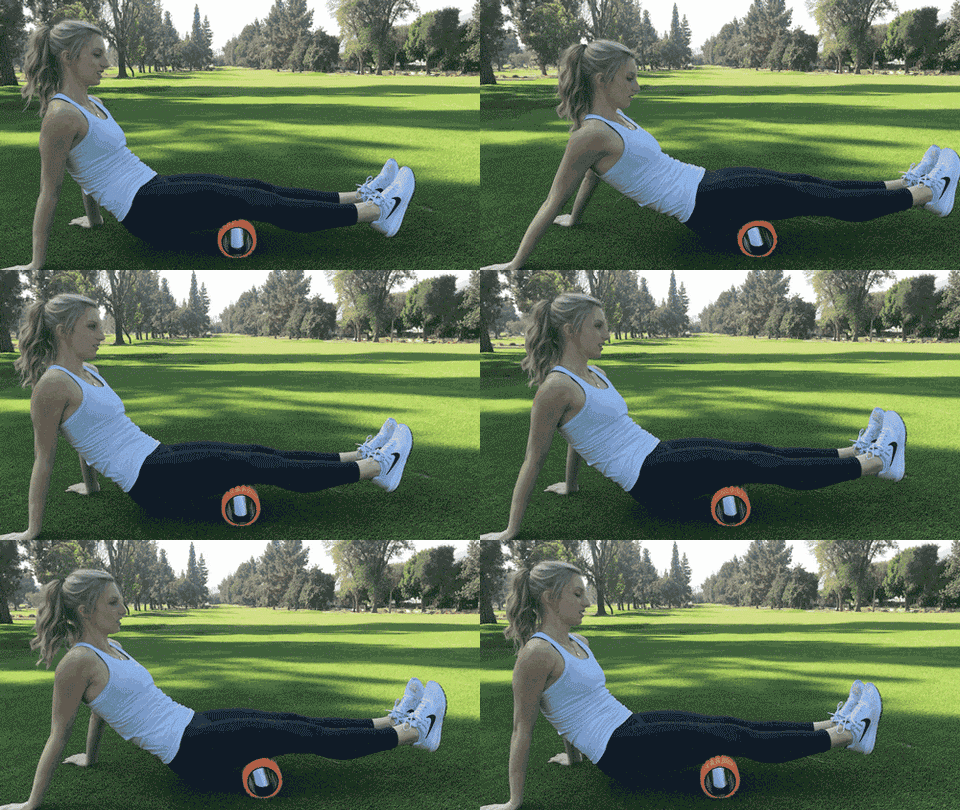
Calves

Lower Back

Upper Back

Lats
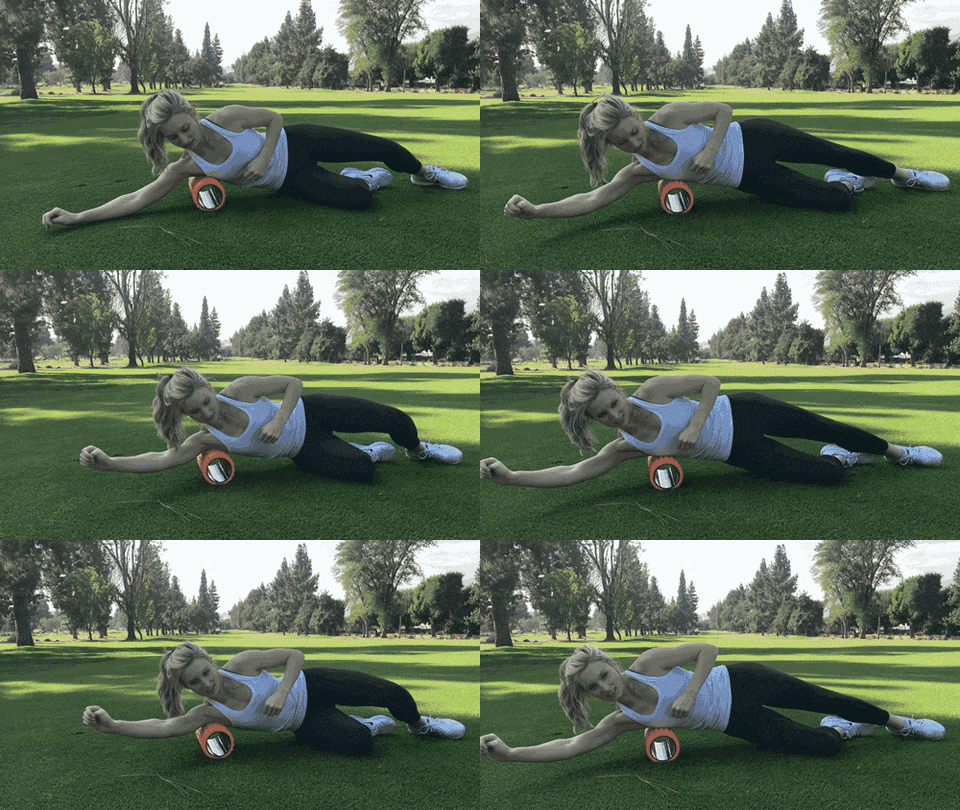
Hip Flexors

Quads

Adductors

TFL/IT Band

Peroneal

What to Look for in a Foam Roller
There are plenty of fancy looking foam rollers on the market, but the stiff, firm surface of a classic high-density foam roller, like Sunny’s Yoga Foam Roller SF-ER01-BK-12, can help achieve a deeper and more intense massage. It comes in four different lengths, and three different colors designed to meet your specific needs while easing soreness and tension.
If you’re new to foam rolling, the bigger the surface area of the foam roller the better since it spreads out the pressure applied. Over time, you can progress to a smaller foam roller or other self-myofascial release tools like a stick roller or massage ball that can deliver a more concentrated trigger point release.
When to Foam Roll
You can foam roll either before or after your workout, or as an isolated recovery session.
If your aim is to boost performance, try foam rolling before your workout to prep muscles for exercise. Focus on muscles you plan to use. For example, if it’s leg day, foam roll your legs and postural muscles like your back and shoulders.
For recovery, anytime (after your workout, in front of the TV, the next day) is a good time to foam roll.
While foam rolling can be a helpful tool, keep in mind that it belongs in a well-rounded performance and recovery plan for best results. In other words, it shouldn’t outrank progressive overload for performance gains. And keeping nutrition, hydration, sleep, and stress levels in check is even more important than foam rolling for recovery.
Think of foam rolling as the cherry on top: If you have extra time and it makes you feel good before or after a workout then it’s worth doing.
When to Check with a Personal Trainer, Physical Therapist, or Doctor
Foam rolling is safe for healthy individuals, however there are some situations where you’ll want to avoid it (or at least consult a doctor first).
If you have an injury, definitely check with a professional before applying pressure to the area. People with certain conditions should also proceed with caution. These include:
- Congestive heart failure
- Organ failure
- Bleeding disorders
- Cancer
- Osteoporosis
The Bottom Line
Foam rolling is an easy way to release tight muscles on your own at home, which may boost recovery and performance. All you need is a foam roller. Start with light pressure and increase gradually as desired.


Add Your Name & Email
Please enter your name and email to continue.We won’t display your email publicly.