





Tiffany Vargas
Fitness Trainer
NASM-CPT
For many individuals, exercise is promoted as a cornerstone of overall health. However, for those living with digestive conditions such as irritable bowel syndrome (IBS), engaging in physical activity is not always straightforward. Symptoms including abdominal pain, bloating, and irregular bowel movements can make traditional workouts feel uncomfortable or even counterproductive.
In recognition of IBS Awareness Month, it is important to address how exercise can be adapted to support, rather than exacerbate, gastrointestinal health. While physical activity has been shown to improve digestive function and overall well-being, the type and intensity of exercise play a critical role in symptom management.
In practice, individuals with IBS often fall into one of two categories: those who avoid exercise due to fear of triggering symptoms, and those who continue high-intensity training despite worsening discomfort. A more effective and sustainable approach lies in incorporating forms of low-impact exercise that promote gut health while minimizing physiological stress.
Understanding IBS
IBS is a functional gastrointestinal disorder characterized by a cluster of symptoms, including abdominal pain, bloating, and altered bowel habits such as diarrhea, constipation, or a combination of both. Unlike structural gastrointestinal diseases, IBS does not involve identifiable abnormalities on standard diagnostic testing.
IBS is estimated to affect approximately 10–15% of the global population and is widely recognized as a disorder of gut-brain interaction (Lacy et al., 2021). This means that symptoms arise from complex interactions between the central nervous system and the gastrointestinal tract, including altered gut motility, heightened visceral sensitivity, and changes in the gut microbiome.
Because IBS is influenced by both physiological and psychological factors, lifestyle interventions, including diet, stress management, and physical activity are considered essential components of treatment.
IBS and Working Out: Does Exercise Help IBS?
A common question among individuals managing digestive symptoms is whether exercise is beneficial or harmful. Current evidence suggests that regular, moderate physical activity can improve IBS symptoms, though outcomes depend on the type and intensity of exercise.
Exercise has been shown to:
- Enhance gastrointestinal motility
- Reduce stress and anxiety
- Support a more diverse and balanced gut microbiome
(Johannesson et al., 2011; Zhou et al., 2022).
In a randomized controlled trial, Johannesson et al. (2011) found that individuals with IBS who increased their physical activity experienced significant reductions in symptom severity compared to those who maintained a sedentary lifestyle. These findings highlight the role of exercise as a non-pharmacological strategy for symptom management.
However, it is important to note that not all forms of exercise produce the same effects. While moderate activity can be beneficial, higher-intensity exercise may lead to symptom exacerbation in some individuals.
Limitations of High-Intensity Exercise
Although high-intensity exercise is often recommended for improving cardiovascular fitness and body composition, it may not be well tolerated in individuals with IBS. Several physiological mechanisms contribute to this response.
During intense exercise, blood flow is redirected away from the gastrointestinal tract toward working muscles. This reduction in splanchnic circulation can impair digestion and contribute to symptoms such as cramping, nausea, and urgency (ter Steege & Kolkman, 2012).
High-intensity workouts stimulate the release of cortisol and other stress hormones. In individuals with IBS, this heightened stress response can disrupt the gut-brain axis and worsen gastrointestinal symptoms.
Activities involving repetitive impact, such as running or plyometrics, can physically disturb the gastrointestinal tract. This may increase the likelihood of symptoms such as urgency or discomfort, a phenomenon commonly referred to as exercise-induced gastrointestinal distress. Taken together, these factors suggest that while exercise remains beneficial, higher intensity does not necessarily translate to better outcomes for individuals with IBS.
Benefits of Low-Impact Exercise for Gut Health
Low-impact exercise provides a more appropriate and sustainable alternative for individuals managing IBS. This form of movement minimizes physical strain while still delivering meaningful health benefits. Research indicates that moderate, consistent exercise is associated with improved IBS symptoms and enhanced quality of life (Zhou et al., 2022).
Low-impact exercise supports digestive health by:
- Promoting gentle stimulation of intestinal motility
- Reducing systemic inflammation
- Supporting autonomic nervous system balance
- Minimizing stress-related hormonal responses
Additionally, regular movement may positively influence the composition and diversity of the gut microbiome, further contributing to improved gastrointestinal function.
Low-Impact Workouts for Individuals with IBS
The following low-impact exercises are well-tolerated and effective options for supporting gut health:
1. Walking
Walking is one of the most accessible and beneficial forms of exercise. It promotes digestion by stimulating intestinal contractions and can help alleviate symptoms such as bloating and constipation. Even short walks following meals may support improved gastric motility and overall digestive comfort.
2. Cycling
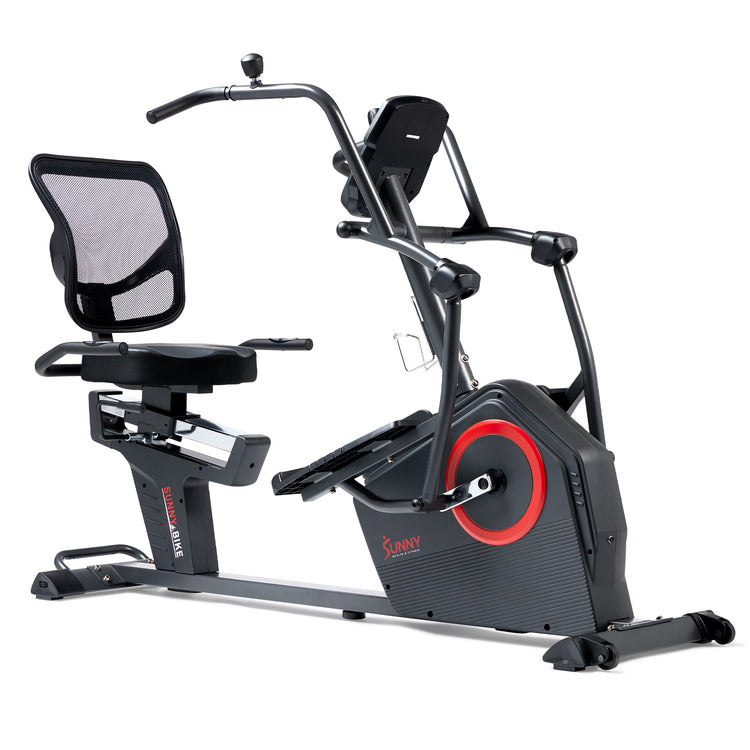
Stationary or outdoor cycling provides a cardiovascular stimulus without the mechanical impact associated with running. This makes it a suitable option for individuals who experience symptoms triggered by high-impact movement. Moderate cycling sessions can improve circulation and support metabolic health while minimizing gastrointestinal stress.
3. Yoga
Yoga is particularly beneficial for individuals with IBS due to its combined physical and psychological effects. Research suggests that yoga can reduce IBS symptom severity by improving stress regulation and enhancing parasympathetic nervous system activity (Saeed et al., 2019). Certain poses may also support digestion by gently stimulating the abdominal region.
4. Pilates
Pilates focuses on controlled movement, core stability, and breathing. These elements may help improve abdominal muscle function and support digestive processes without placing excessive strain on the body.
5. Resistance Training (Modified)
Strength training can still be incorporated, but with adjustments. Lower-impact resistance exercises using controlled tempo, moderate loads, and adequate rest periods are generally better tolerated than high-intensity circuits or heavy lifting.
Exercising with IBS
To maximize benefits while minimizing symptoms, the following strategies should be considered:
1. Monitor Exercise Intensity
Moderate-intensity exercise is typically more beneficial than high-intensity training. Individuals should aim for a level of effort that elevates heart rate without causing excessive fatigue or discomfort.
2. Be Mindful of Timing
Exercising immediately after large meals may exacerbate symptoms. Allowing time for digestion before engaging in activity can help reduce discomfort.
3. Stay Hydrated
Adequate hydration supports digestion and helps maintain normal bowel function, particularly during physical activity.
4. Wear Comfortable Clothing
Tight or restrictive clothing around the abdomen may increase discomfort during exercise.
5. Listen to Your Body
Symptom patterns can vary significantly between individuals. Adjusting exercise type, duration, and intensity based on personal response is essential.
The Role of Stress and the Gut-Brain
The gut-brain axis plays a central role in IBS symptom expression. Psychological stress can alter gut motility, increase sensitivity, and disrupt the gut microbiome.
Low-impact exercise provides a dual benefit by supporting both physical and mental health. Activities such as walking and yoga can reduce stress levels, regulate cortisol, and improve overall nervous system balance. This connection highlights why exercise is not only a physical intervention but also a key strategy for managing the neurological components of IBS.
Common Mistakes to Avoid
-
Overtraining
Excessive exercise intensity or volume can exacerbate symptoms rather than improve them.
-
Inconsistent Routine
Irregular exercise patterns may limit the potential benefits of physical activity on gut health.
-
Ignoring Individual Triggers
Each individual with IBS may respond differently to various forms of exercise. Identifying personal triggers is critical for long-term success.
A Realistic Approach to Exercise and IBS
For individuals managing IBS, the goal is not to eliminate exercise but to adapt it to meet their needs.
A balanced routine may include:
- Daily walking or light movement
- Two to three low-impact strength or Pilates sessions per week
- One to two yoga or recovery-focused sessions
This approach supports consistency while minimizing the risk of symptom exacerbation.
Conclusion
Exercise can be a powerful tool for managing IBS when approached strategically. While high-intensity training may exacerbate symptoms in some individuals, low-impact exercise generally provides a more sustainable and effective alternative.
By promoting digestive function, reducing stress, and supporting overall physiological balance, low-impact movement can play a significant role in improving quality of life for individuals with IBS.
Ultimately, the most effective exercise routine is one that is consistent, adaptable, and aligned with individual tolerance. Rather than avoiding movement altogether, individuals with IBS should focus on selecting forms of exercise that support both their physical and digestive health.






Add Your Name & Email
Please enter your name and email to continue.We won’t display your email publicly.