





Wendie Weldon
Fitness Trainer
NASM-CPT
If your head spends more time gazing at a phone screen than balanced over your shoulders, welcome to the club. “Tech neck” is the modern label for forward head posture driven by prolonged device use. It alters muscle activation, reduces neck muscle capacity, and is associated with neck pain and disability.
Below, we break down the physiology, the strongest exercise prescriptions from sport/rehab science, and practical gear and habits to help fix the problem.
What Causes Tech Neck?

The head weighs roughly 4–5 kg. When it hangs forward (anterior translation) the mechanical moment arm increases. In this position, your cervical extensor muscles and posterior soft tissues have to produce more force to counterbalance the head, and deep neck flexors (longus colli/capitis) become lengthened and weak.
Electromyography shows changes in muscle activity in a forward head position (reduced activity of some stabilizers, and different recruitment in superficial muscles). Studies using ultrasound and strength testing show that people with forward head posture have weaker neck extensor muscles and those muscles don’t contract as fully as they should. This means the neck muscles lose some of their strength and endurance capacity, which may explain why posture and comfort worsen over time. [1]
In short: A forward head position can contribute to muscle imbalance and altered biomechanics, which can increase risk of pain and reduce movement capacity (aka tech neck). [1][2]
How To Fix Tech Neck
1. Try therapeutic exercise
Therapeutic exercise has been shown to improve posture and reduce pain. A 2024 systematic review concluded that exercise programs can noticeably improve posture, especially when it comes to forward head posture, rounded shoulders, and upper back curve (kyphosis). People who did strength training, stretching, or combined exercise programs showed statistically significant improvements in their posture. [2]
2. Focus on posture
A 2018 analysis also found strong evidence that exercise can correct poor posture. On average, people doing targeted exercise improved their head and neck alignment (craniovertebral angle) by a large margin. The same studies showed a moderate improvement in pain, meaning that while not everyone became pain-free, most felt noticeably better. Basically, good exercise programs can realign posture and reduce pain for many people.[1]
3. Target the deep neck flexors and scapular stabilizers
Research shows that forward head posture happens when certain deep stabilizing muscles in your neck and upper back get weak, while others become overactive. The best exercises to fix this strengthen your deep neck flexors (using movements like chin tucks or gentle neck nods) and your scapular stabilizers— muscles like the middle and lower trapezius and rhomboids that pull the shoulder blades back. Training these muscles helps restore proper head position and neck function. [2][3]
4. Exercise Program to Reduce Tech Neck
Research shows that the right kind of exercise can significantly improve forward head posture and related neck or shoulder discomfort. The following program brings together the most effective, evidence-supported movements found in recent studies. Each exercise targets key muscles that help align the head, neck, and upper back. [1][2] The entire routine can be completed in 12-20 minutes and should be repeated 3-5 times a week for best results.
-
Cranio-cervical flexion (deep neck flexor)
Complete 2-3 sets of 8-12 slow reps, progressing from 10 second holds to slow controlled reps. Focus on doing a gentle “double chin” nod, rather than chin tucks that pull the chin down.
Why it works: Restores deep flexor activation and impaired motor control that commonly occurs with forward head position.
-
Scapular retraction (Y/T/W rows)
Complete 3 sets of 8–15 reps. Use band or light dumbbells. Emphasize lower/mid-trap and posterior shoulder activation.
Why it works: Thoracic and scapular capacity directly influence cervical alignment; scapular work is often included in effective programs.
-
Cervical extensor endurance
Complete 3 sets of 20–40 second holds (either prone head lift or supported chin retractions).
Why it works: Low load, long duration holds build endurance of posterior chain.
-
Pectoralis (chest) stretch & levator scapulae/upper trap release
Complete 2 sets of 30 seconds on each side.
Why it works: Short anterior muscles limit correction; stretching has been shown to help restore length to these muscles in successful programs.
-
Functional integration: posture practice & ergonomic task-specific drills (30–60 s). Practice upright head over shoulders while holding a phone at eye level or do 1-minute posture resets every 30 minutes of screen time.
Devices and Equipment For Tech Neck
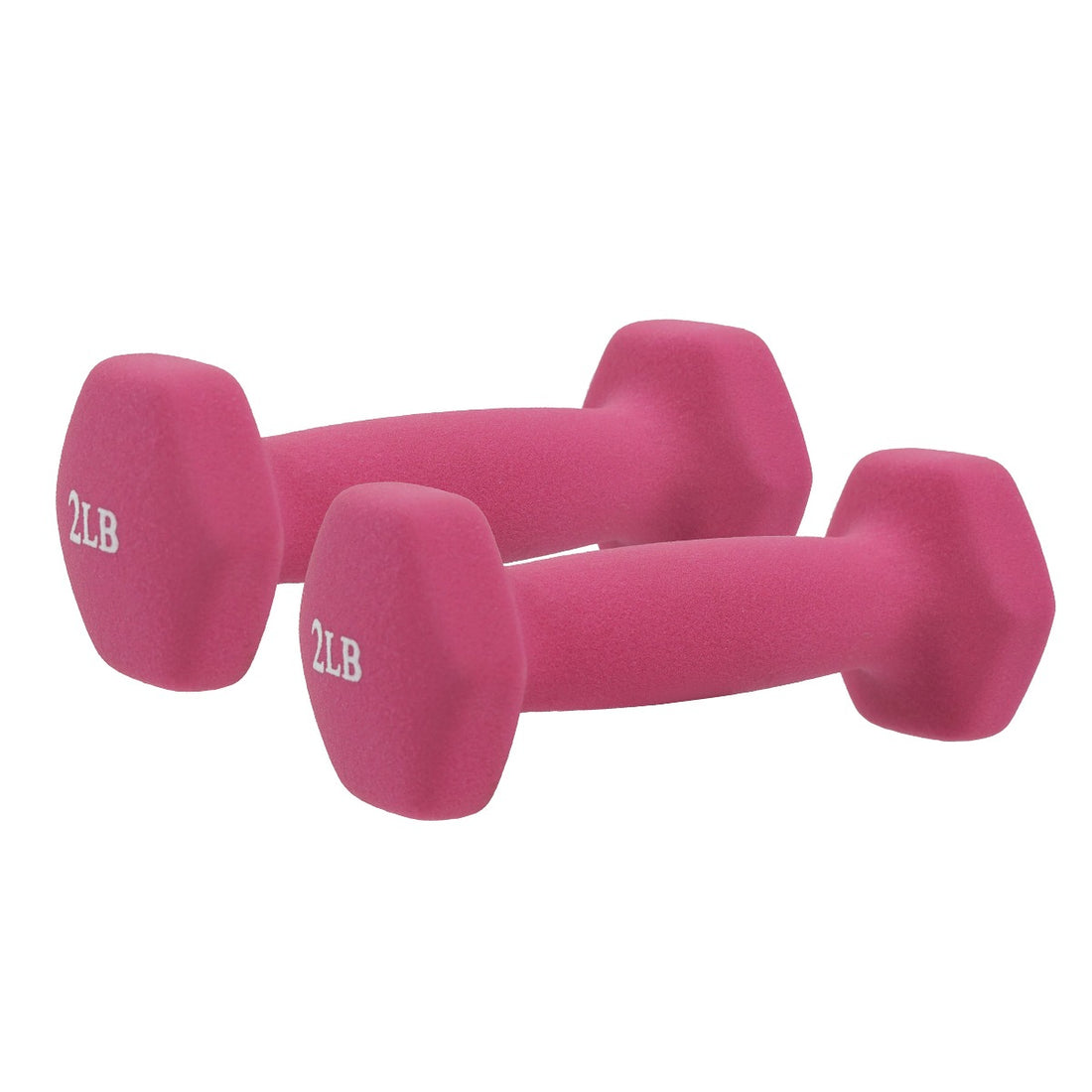
- Helpful: Lightweight resistance bands, small dumbbells (2–5 kg for rows), a posture-cueing phone stand (raises the screen to eye level), and an adjustable monitor arm for laptop/desktop may help reduce tech neck. These low-risk, low-cost options have been shown to build strength and improve posture.
- Okay but limited: Posture-wearables that buzz when you slouch can help awareness early on, but the evidence shows they are best as a cue to practice the exercise program rather than a standalone fix.
- Avoid (as treatment): Invasive devices, heavy cervical collars, or “one-session” gadgets claiming to permanently reset posture aren’t recommended. Most credible research that emphasizes exercise and behavior change shows the biggest improvements in pain and posture.

Tips to Reduce Tech Neck
-
Keep your phone at eye level
Every 15° of cervical flexion adds significant load; small habit changes (raising device, taking micro-breaks) reduce cumulative loading. Cross-sectional studies link device time with neck pain prevalence. “Time spent on devices was a predictor of neck pain duration and severity” in university cohorts. [4]
-
Take micro-breaks for posture resets
Stand, do a quick set of chin-tucks or scapular squeezes every 30–60 minutes. Frequent low-effort resets beat infrequent marathon stretches.
-
Reduce phone time
Cut back on single-handed, one-arm phone holding and long head-down study sessions. One study suggests device study time and prior neck pain predicted longer pain duration. [4]
How Fast Can You Improve Tech Neck?

Studies typically report posture changes and pain reductions after 6–8 weeks of consistent training (3×/week). Changes in posture are often larger than pain, but many people see symptom relief within weeks when exercise is combined with ergonomic change. The evidence shows that when people do the right kind of exercises regularly, they can improve “tech neck” posture and often feel better.[3]
Bottom line
Tech neck is a biomechanical problem that can be treated with the right plan. Targeted therapeutic exercise (deep neck flexor training, scapular strengthening, and stretching), paired with simple ergonomic fixes (raise the screen and micro-breaks), reliably improve head alignment and often reduces pain. Don’t chase quick fixes or gadgets; build a short, consistent program and treat posture like any other athletic skill—practice, load progressively, and integrate the correction into the real tasks that created the problem.


Add Your Name & Email
Please enter your name and email to continue.We won’t display your email publicly.