




Sydney Bueckert
Fitness Trainer
CES, FNS, GPTS, NASM-CPT
Everything you need to know to build your ideal home gym from scratch.
So, you’ve started working out? Kudos—regular exercise comes with a long list of health benefits such as building strength, improving cardiovascular health, and simply moving more throughout the day. You don’t need a home gym to accomplish your fitness goals, but it can make it easier to stick with your new workout habit.
Between crummy weather, bad traffic, and sick kids, a home gym squashes nearly any excuse that may derail an outdoor or gym workout plan.
The good news? You don’t need much to get started. A few versatile equipment like some dumbbells, a yoga mat, and a set of resistance bands can provide everything you need for a beginner workout. But if you have weight loss or performance goals, investing in a cardio machine like a treadmill or bike might also be worth considering.
Here’s exactly how to choose your first piece of home exercise equipment.
Essential Beginner Equipment Starter Kit
If you truly have no fitness equipment at home, it’s best to start with the basics: a yoga mat and some form of resistance (resistance bands, dumbbells, or both) will take you far.
This simple starter kit is affordable and can be tucked away in a corner, the closet, or under your bed. It gives you a clean space to do calisthenics, stretching, yoga, Pilates, workout videos, and strength workouts from the comfort of your home.
Yes, cardio equipment can also be helpful. But you can always walk, jog, or run outside. You can also do dance cardio, kickboxing, or high-intensity calisthenics workouts to get your cardio in.
In short, this kit will help you get it all done with minimal cost and space.
Our picks:
-
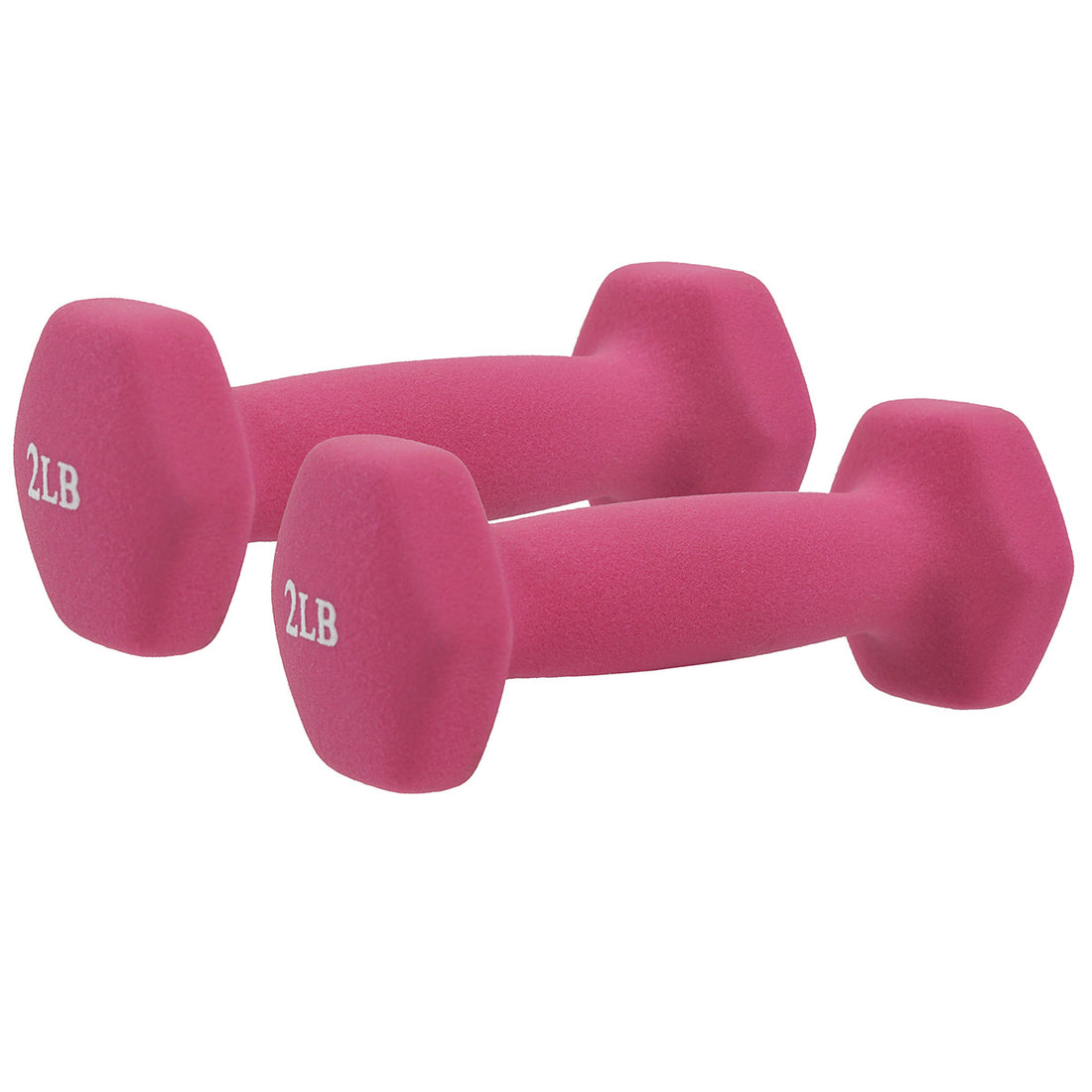
Dumbbells: Get a few different weights to continue challenging yourself as you get stronger, or an adjustable set to save space.
-
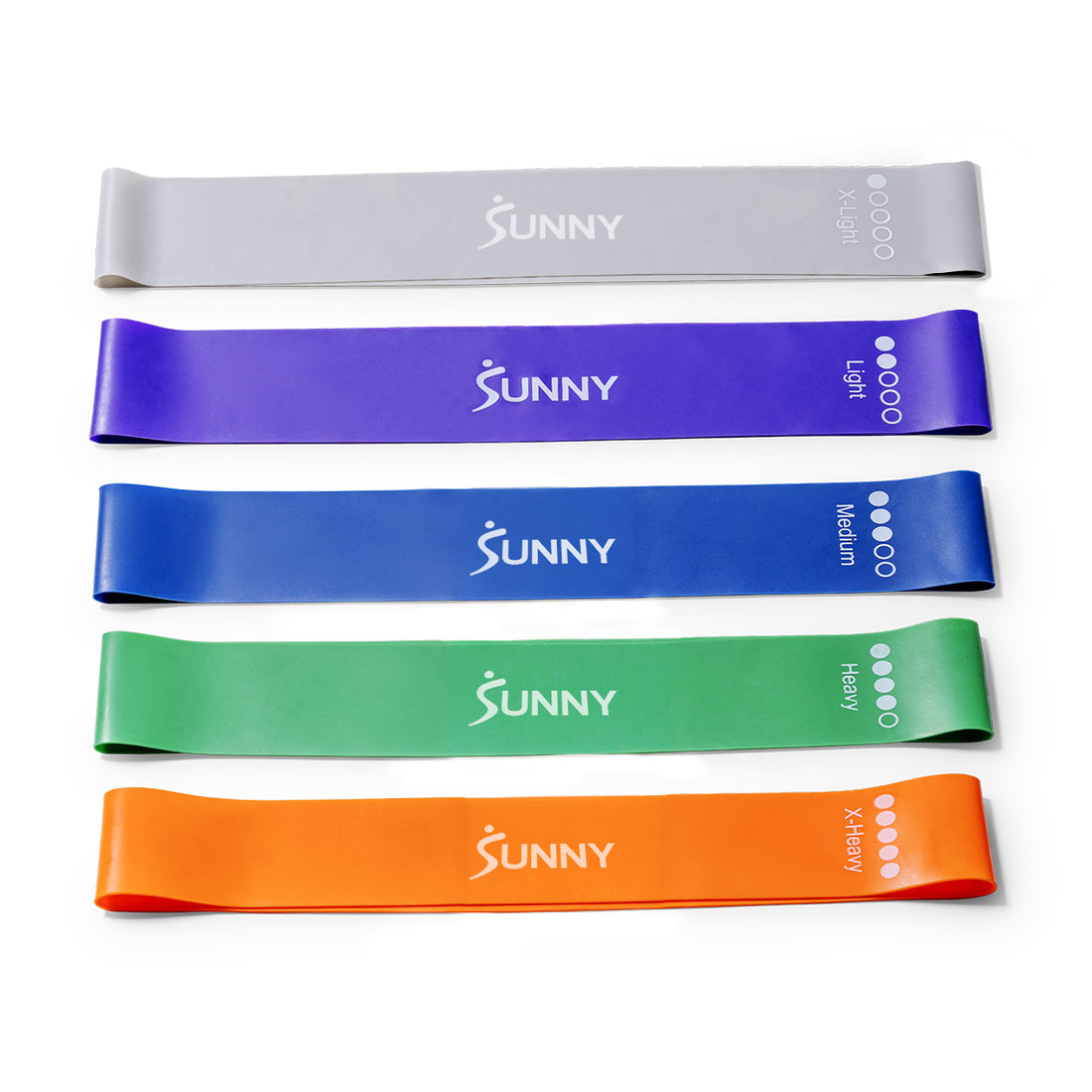
Resistance bands: Affordable and versatile for training upper body, lower body, and core.
-
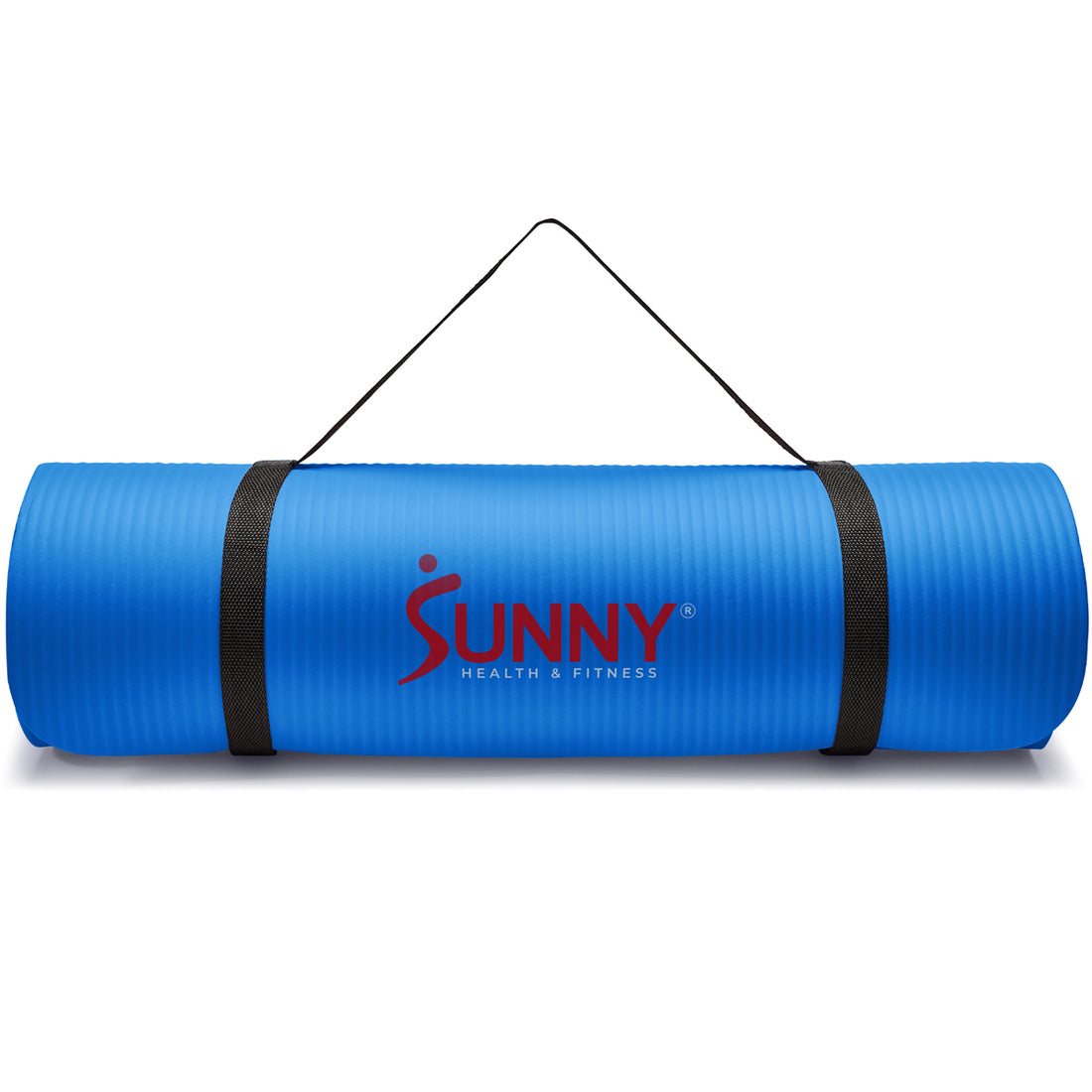
Yoga mat: Provides joint comfort, floor protection, and a clean surface for bodyweight moves.
Beginner Cardio Equipment
When you’re ready to add a cardio machine to your home setup, ask yourself one important question: What cardio do you like most? This can help you narrow down which cardio machine you’ll actually be excited to use.
It may sound simple, but the last thing you want is to invest money and space in your home for something that ends up gathering dust in a corner. Not everyone likes to run or bike, and that’s okay. A rowing machine, elliptical, treadpad, and mini stepper are also great options for getting your cardio in.
You’ll also want to look for a cardio machine that fits in your available space and matches your workout goals. If you’re training to run a 5K, for example, any cardio machine can help build your aerobic base, but a treadmill is the best option since it will specifically prepare your body to run.
Our picks:
-
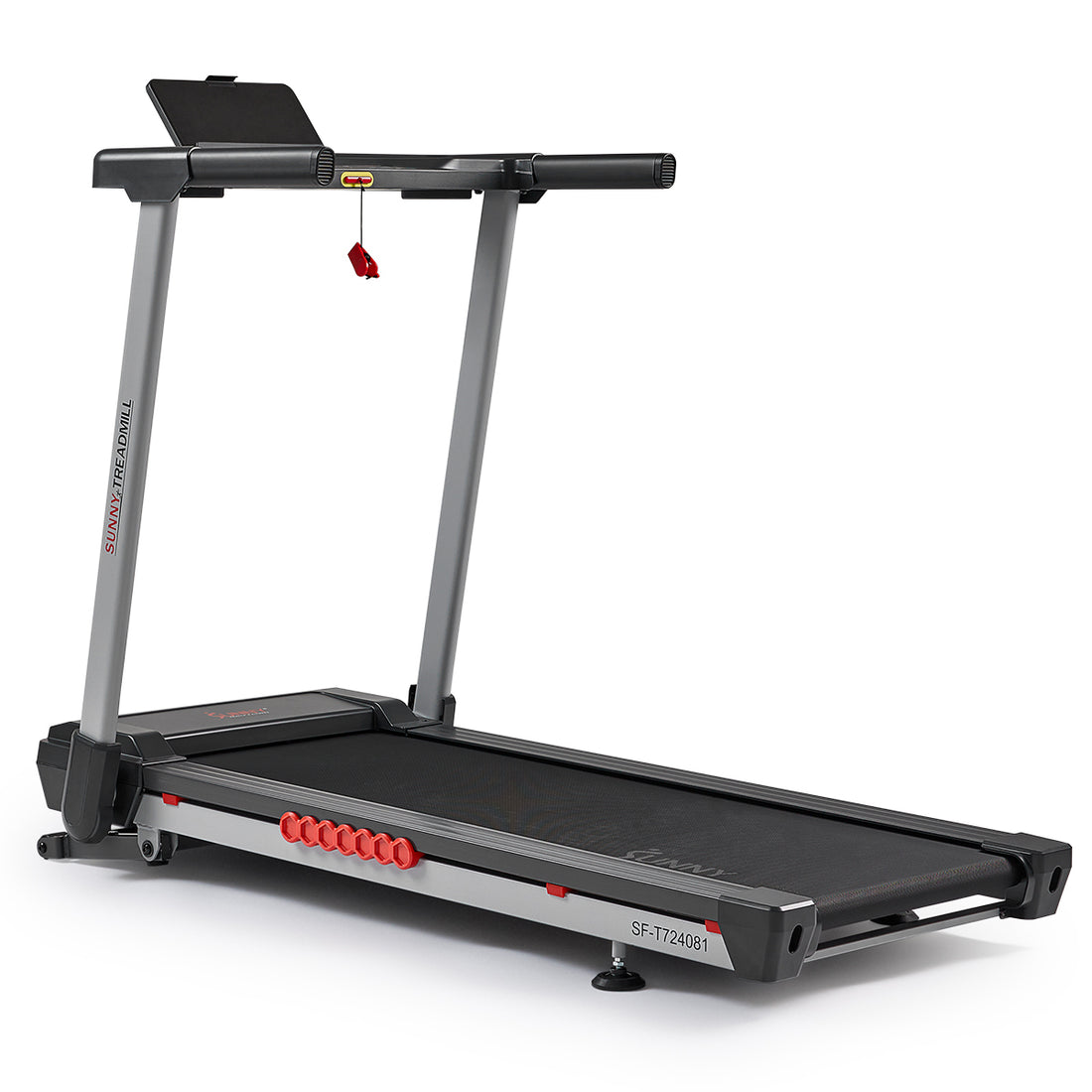
Treadmill
Best for: walking, jogging, running, and incline training.
Look for a machine with a variety of speeds and inclines so you can progress as you get fitter, like the SF-T724081.
-
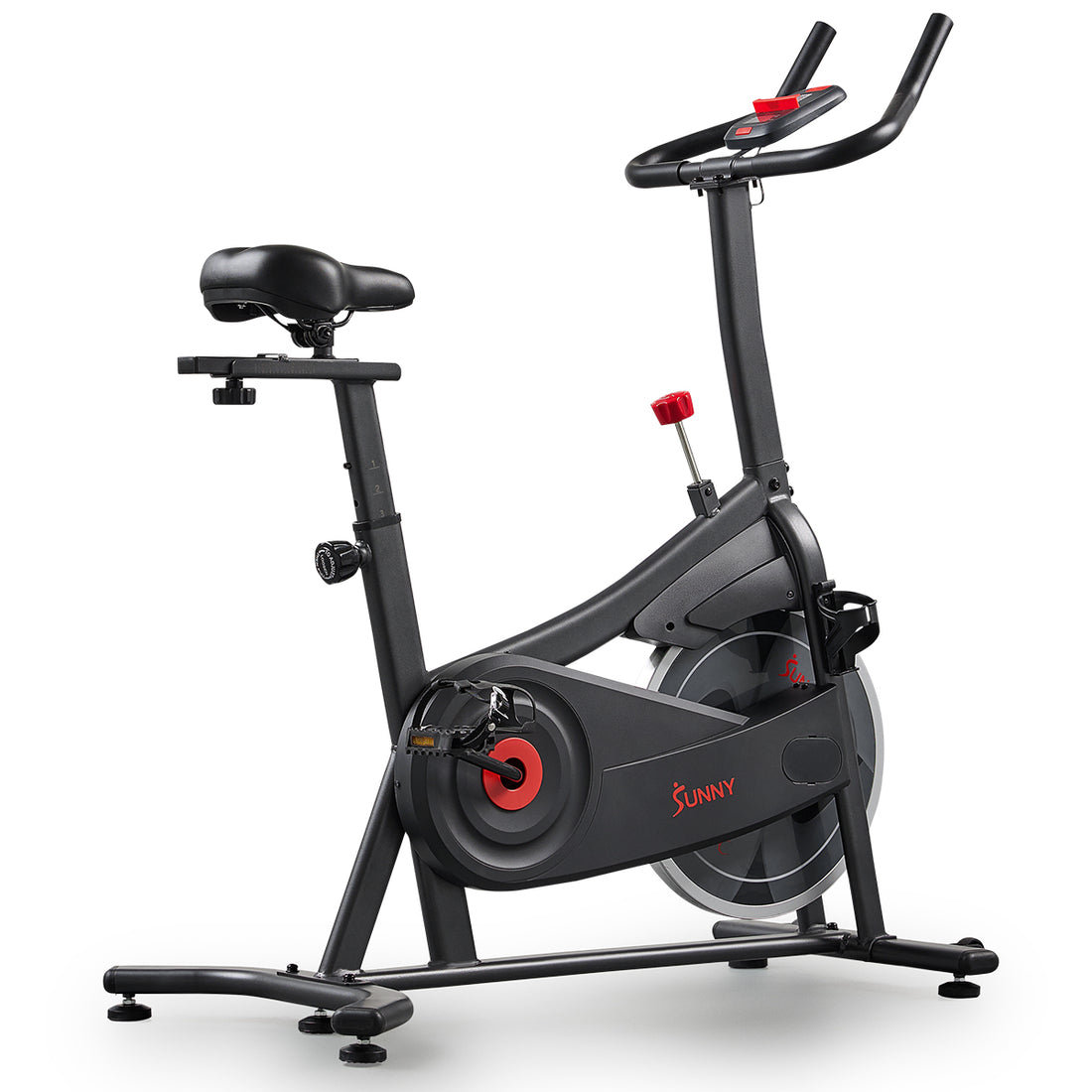
Bike
Best for: low-impact Cardio and improving endurance.
An indoor cycling bike with an adjustable fit and caged pedals like the SF-B124066 will allow you to hop right into your workout routine without needing to invest in additional equipment like SPD or Delta cleats.
-
Elliptical
Best for: low-impact, full-body cardio workouts.
Look for an option that’s compact but has different levels of resistance to kick things up a notch as you get more fit, like the SF-E324005.

-
Rower
Best For: full-body cardio that engages upper and lower body.
A magnetic rower like the SF-RW523043 is compact and folds up for storage, making it a good option for small spaces. Its magnetic resistance also lets you increase the difficulty overtime.

-
Mini Stepper
Best for: compact, convenient workouts.
These compact machines are ideal for small spaces. Look for an option with built-in resistance bands, like Sunny’s NO.068SMART, so you can knock out strength and cardio all in one session.

-
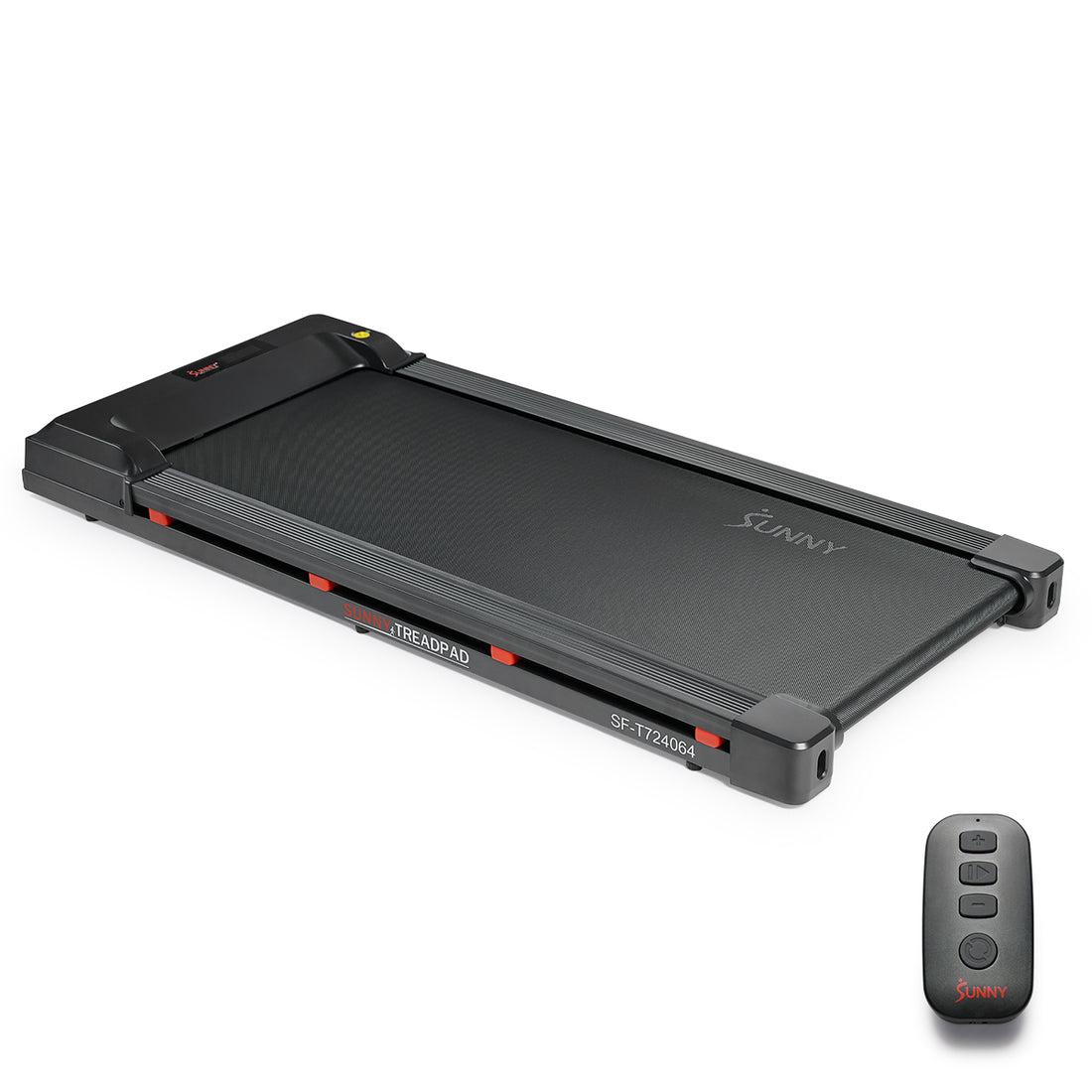
Treadpad
Best for: walking while working or watching TV.
If you like to multi-task, a treadpad is the answer. Many of these space-saving machines are made to slide under a table or desk so you can work or watch TV while you get your steps in, like the SF-T724064.
Budget-Friendly or Investment Fitness Equipment
Should you start with the base-level, compact, affordable equipment, or splurge on a high-quality investment piece that will stay in your home gym for years to come? Only you can answer that, based on your budget, space, goals, personality, and timeline.
Here’s roughly what you can expect with different budgets:
-
Under $200: A basic essentials setup like a few sets of dumbbells, resistance bands, and a mat.
-
$200-400: Entry level cardio equipment, such as compact mini stepper, elliptical, treadpad, bike, or rower.
-
Over $400: Base-level treadmills, commercial grade cardio machines and larger strength-training equipment such as strength racks.
Start with equipment that supports multiple exercises. You can always expand your home gym as your fitness routine develops.
The Bottom Line
Investing in a home gym is a great decision you can make. At-home fitness equipment takes away your excuses, giving you easy access and motivation to reach your goals.
If you’re just getting started, versatile essentials like dumbbells, resistance bands, and a yoga mat are excellent first purchases. As your routine develops, you can expand your setup with cardio machines and additional strength-training equipment.
Ultimately, the best piece of fitness equipment to buy first fits in your space, is within your budget, matches your fitness goals, and makes you excited to workout.


Add Your Name & Email
Please enter your name and email to continue.We won’t display your email publicly.