




Sydney Bueckert
Fitness Trainer
CES, FNS, GPTS, NASM-CPT
Pro athletes and elite runners use slow runs to improve their aerobic base. Here’s how to do it.
Many running newbies think the only way to get faster is to run fast. But zone 2 running, AKA running at a slow, conversational pace, promises specific performance gains you can’t get by running faster.
Zone 2 training promises runners loads of benefits. But in short, zone 2 exercise improves your lactate threshold and metabolic flexibility [1, 2]. In other words, running in zone 2 improves your aerobic base, so you can run harder, for longer, with less fatigue.
Here’s everything you need to know to reap the biggest benefits from zone 2 running.
What Is Zone 2 Running?
Zone 2 running is running at a low-to-moderate intensity, about 60-70% of your max heart rate. Technically, it’s running as close to, but below, your lactate threshold.
In this sweet spot, you’re burning fat for energy and clearing lactate efficiently, so you can keep running for a long time without feeling zapped.
This slower pace enables you to add volume to your training while lowering your risk of injury, overtraining, or fatigue.
How To Know If You’re in Zone 2
Lactate testing is the most accurate way to know if you’re in zone 2. But since a lactate meter isn’t always accessible, think of a zone 2 run as the ever-elusive slow, but not too slow, easy, but not too easy run that most runners can’t quite seem to nail down. Here are a few practical ways to keep your pace in check:
The Talk Test
The easiest (and surprisingly accurate) way to determine if you’re in zone 2 is the talk test. In zone 2, you should be able to talk in short sentences, but don’t want to. If you need to pause every few words, you’re probably in zone 3.
Heart Rate
Zone 2 should be somewhere between 60 to 70 percent of your max heart rate. You can get an idea of what that range should be for you by using this equation: 208 – (0.7 x age). Then, multiply that number by .6 and .7 to determine your target heart rate range.
The most precise way to track your heart rate during a workout is by using a Bluetooth heart rate monitor, like Sunny’s Smart Heart Rate Monitor. Or you can use the pulse sensors if you’re working out on a treadmill indoors.
Rate of Perceived Exertion
On a scale of 1 to 10, zone 2 feels like an easy 3 or 4—a pace you could maintain for an hour or two if needed.
How to Start Zone 2 Running
Before getting started, sit down with your training plan to evaluate where zone 2 running fits in.
How Long Should a Zone 2 Run Be?
To maximize aerobic endurance and metabolic adaptations, zone 2 runs should be anywhere from 45 minutes to two hours depending on your fitness level and goals. If you’re just starting out, you can work your way up in time and focus on sustaining your zone 2 effort level first.
How Many Zone 2 Runs Per Week?
For most runners, the ideal frequency depends on your current training goals. For example, are you prepping for a race? A few months out, you’ll want 3 to 4 zone 2 runs in your weekly schedule to help build your endurance base. As you get closer to race day, drop down to 2-3 zone 2 runs to maintain your base.
Is It Okay to Walk During a Zone 2 Run?
Yep. Even experienced runners often need to incorporate walking intervals to prevent their heart rate from spiking into zone 3. You may even find that jogging quickly pushes you into zone 3, and walking is a better bet for staying in zone 2.
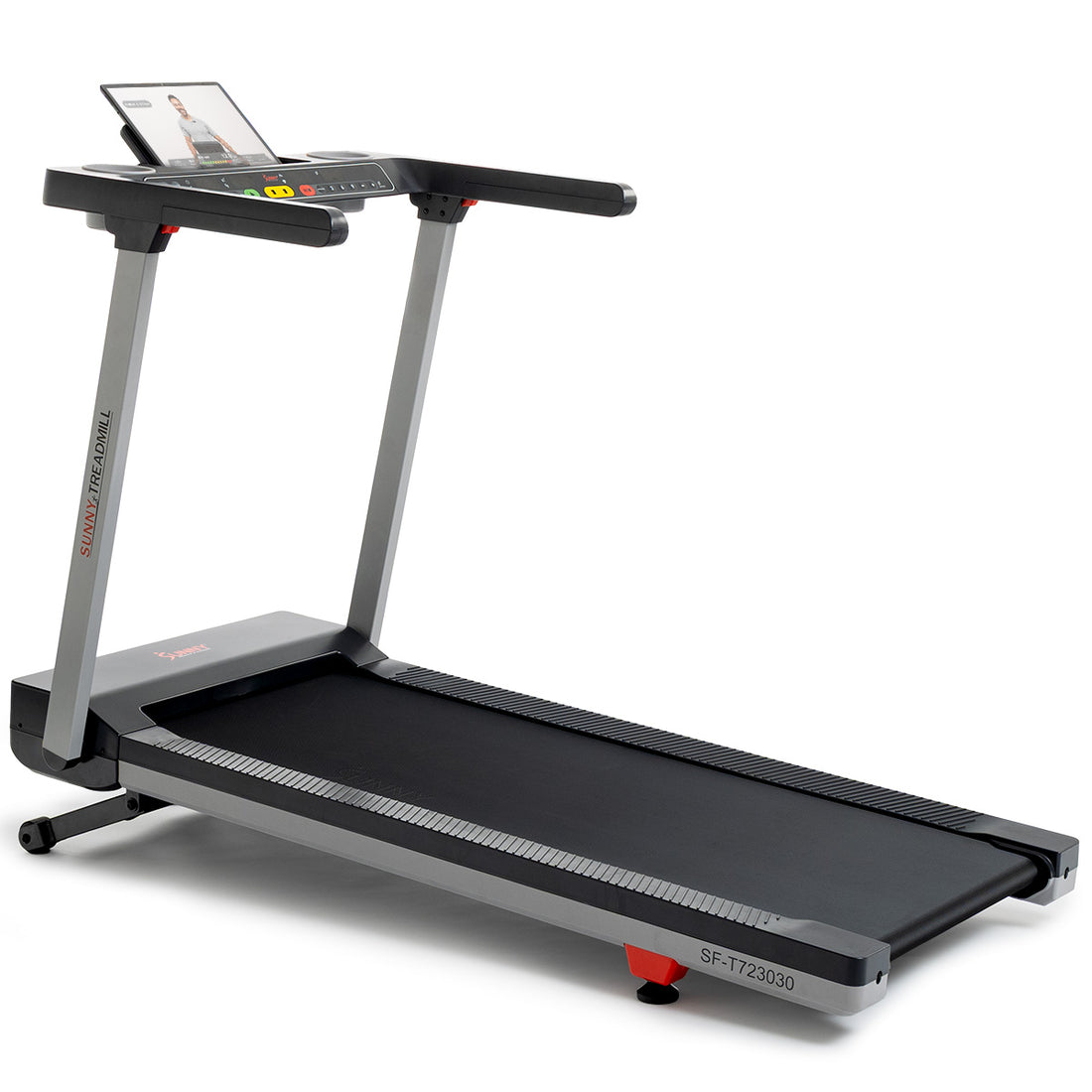
If walking is too easy, but running is too hard, incline walking on a treadmill is a great way to keep your heart rate in the sweet spot. In fact, using a treadmill or walking pad for zone 2 is the easiest way to stay consistent with zone 2, since you start to learn the settings that get you in the right zone, and environmental factors (like temperature and incline) are controlled.
How to Track Your Zone 2 Workouts
You don’t have to track your zone 2 workouts, but it does make it easier to check how your workouts are progressing over time. It’s also helpful for quickly knowing whether you need to adjust pace from session to session to stay in the right zone.
The SunnyFit app can help track the stats that matter most for zone 2 workouts, like heart rate, pace, incline, speed, and more, all saved to your profile.

Understanding Heart Rate Zones
Cardio training is divided into 5 heart rate zones.
| Zone | Max Heart Rate | Type of Exercise |
| 1 | 50-60% | Warm-up, cool-down, recovery |
| 2 | 60-70% | Improves basic endurance, increase metabolism |
| 3 | 70-80% | Build speed and stamina |
| 4 | 80-90% | Increase anaerobic threshold and performance capacity |
| 5 | 90-100% | Maximum training performance, sprint training |
Each of these heart rate zones indicate how hard your heart works to pump blood to keep up with the demands of the activity you are doing. Running in Zone 2 causes less mechanical stress, thus reducing the risk of running injuries, and helps build endurance to allow you to run for longer periods of time.
Common Zone 2 Running Pitfalls to Avoid
Running circles love to joke about zone 2. For such an easy, seemingly straightforward workout, many runners spend years trying to get it exactly right. Here’s some common mistakes to skip:
Going Too Fast
Many runners unknowingly push into what’s called “garbage zone” running (zone 3), where the pace is too hard to get the same endurance benefits of zone 2, but not hard enough to trigger speed gains. Your zone 2 pace should feel slow when you start. You might even need to walk. This can be frustrating, and maybe a little boring, but trust that you’re in the right place.
Cardiac Drift
Over a long, continuous run, your heart rate naturally creeps higher even if you maintain the same slow pace. You don’t need to plan to run progressively slower as your run continues. Just pay attention to your heart rate, breath, and rate of perceived exertion, and adjust as needed.
No Variety
Zone 2 is essential for base-building, but variety in your routine is key for well-rounded running. Make sure to integrate speed work like interval, tempo, or threshold training into your weekly mix, especially if you’re training for a race.
The Bottomline
Zone 2 running is great for building your aerobic base, and might be the missing piece to achieving your next personal best. If you’re new to zone 2 running, a few intentionally slow, longer runs at a conversational pace is enough to boost endurance while keeping your risk of overtraining or injury relatively low.




Add Your Name & Email
Please enter your name and email to continue.We won’t display your email publicly.