




Sydney Bueckert
Fitness Trainer
CES, FNS, GPTS, NASM-CPT
If you spend most of your day sitting at a desk, in the car, or relaxing on the couch, it’s important to get your body moving. Try these simple exercises to help increase your energy, improve circulation, and support your overall health.
You’ve probably heard sitting too much is bad for you. In fact, new research suggests that prolonged sitting may shorten your life and speed up aging. (1, 2) Some experts even claim that “sitting is the new smoking.” (3)
If you work a desk job, less sitting isn’t usually an option. But you can reverse the effects of too much sitting by standing every 30 minutes or so and being more active throughout your day. (4, 5) Bonus: The right exercises can also combat the most common aches and pains associated with living a sedentary lifestyle.
5 Exercises You Can Do at Your Desk
Performing exercises right at your desk is one of the easiest ways to boost your everyday health. These short bursts of activity can increase mobility, mood, memory, cognition, and productivity while potentially reducing blood pressure and pain all from the comfort of your cubicle or office.
The moves shared below can also help improve posture and relieve common tight spots that come from sitting too much. In this article, we’ll share simple ways to stay active, energized, and pain-free throughout your workday.
1. Desk Pushups

Even with the best intentions, sitting for long hours often leads to slouching, which can tighten the chest and weaken the back muscles. Pushups strengthen and open the chest while engaging the back muscles. Sitting requires isometric strength, which is the type of strength your muscles use to hold a position, such as maintaining good posture in a chair. Pushups help build this stability, making it easier to sit tall and avoid slouching.
How To: For this pushup variation, place your palms face down on your desk directly below your shoulders. Walk your feet out behind you until you’re in an elevated plank position. Bend your elbows to bring your chest closer to the edge of your desk, then push through your hands and extend your elbows to return to plank position.
2. Chair Squats

Sitting for long periods can weaken your glutes. Weak glutes can contribute to loads of problems like overactive hamstrings, tight hip flexors, and lower back pain. Chair squats wake up your glutes by putting emphasis on the most glute-demanding portion of the move: The bottom of the squat.
How To: Sit in your chair with good posture (feet hip width apart and flat on the ground, thighs and calves ideally forming a 90-degree angle, and your toes and knees tracking forward). Extend your arms directly out in front of you or lightly hold your desk for support if needed. Push evenly through your feet and activate your glutes to stand up. Lower yourself back into your chair with control.
3. Hip Flexor Stretch

If you sit at a desk all day your hip flexors are probably tight. Why? Because sitting naturally shortens the hip flexor muscle. A little stretching can help lengthen the hip flexors, providing relief.
How To: Using your desk for support, lower yourself until you’re kneeling with both knees on the floor. Bring one leg in front of you, adjusting your position until your foot is firmly planted and your lower leg is perpendicular to the ground (basically a lunge with your back knee resting on the ground). Now squeeze the glute of the back leg to drive your hips forward and up. The more you squeeze your glute, the deeper the hip flexor stretch should feel.
4. Back Opening Stretch

A simple, desk-modified version of the yoga pose downward dog can act like a reset button for your back. In this move, you hinge at the hips and stretch your spine toward the floor, lengthening your entire back to help counteract the effects of slouching. Using your desk for support adds leverage, allowing you to deepen the stretch and feel more open and energized.
How To: Stand facing your desk with your feet facing forward, hip-width apart. Open your hands, and place palms facing down on the edge of your desk. With arms fully extended, fold at your hips (backing your feet up if needed) until your upper body is parallel with your desk, forming a 90-degree angle with your upper and lower body. Allow your chest to fall towards the floor. Push through your shoulders to deepen the stretch in your upper back. Feel free to rock back and forth and pause on any particularly tight spots.
5. Alternating Cross Body Crunch
A strong core is essential for good posture. This move strengthens your core and gets both sides of your body working together, waking up your body and mind.
How To: Sit towards the edge of your chair with your spine tall, feet flat on the ground, and toes pointed straight forward. Place one hand behind your head with elbow pointing out to the side. Raise your left leg off the floor and bring your right elbow toward your left knee by twisting your torso. Bring elbow and knee as close together as you can and slowly lower back down. Repeat on the other side.
Best Desk Workout Equipment
Whether you sit or stand at a desk all day, regular movement is key for managing pain and reducing the effects of a sedentary lifestyle. While moving with your body weight is better than nothing, fitness equipment can make moving easier.
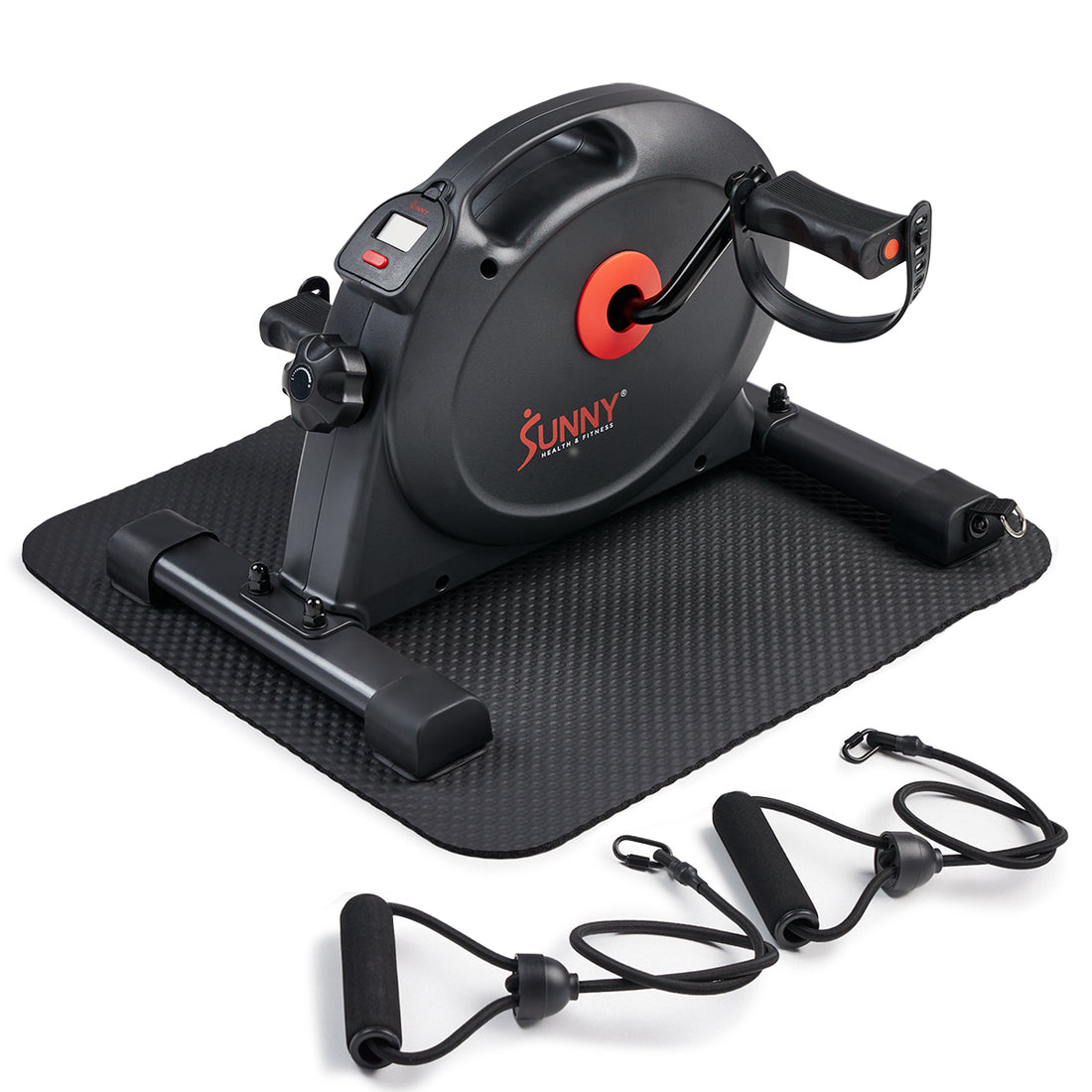
Under-desk ellipticals and bikes

If you normally sit at a desk, an under-desk elliptical or bike can help boost circulation and blood flow to your legs while sitting down. An option with added resistance bands can increase strength, which may also help to correct posture, reduce pain, burn more calories, and improve body composition over time.
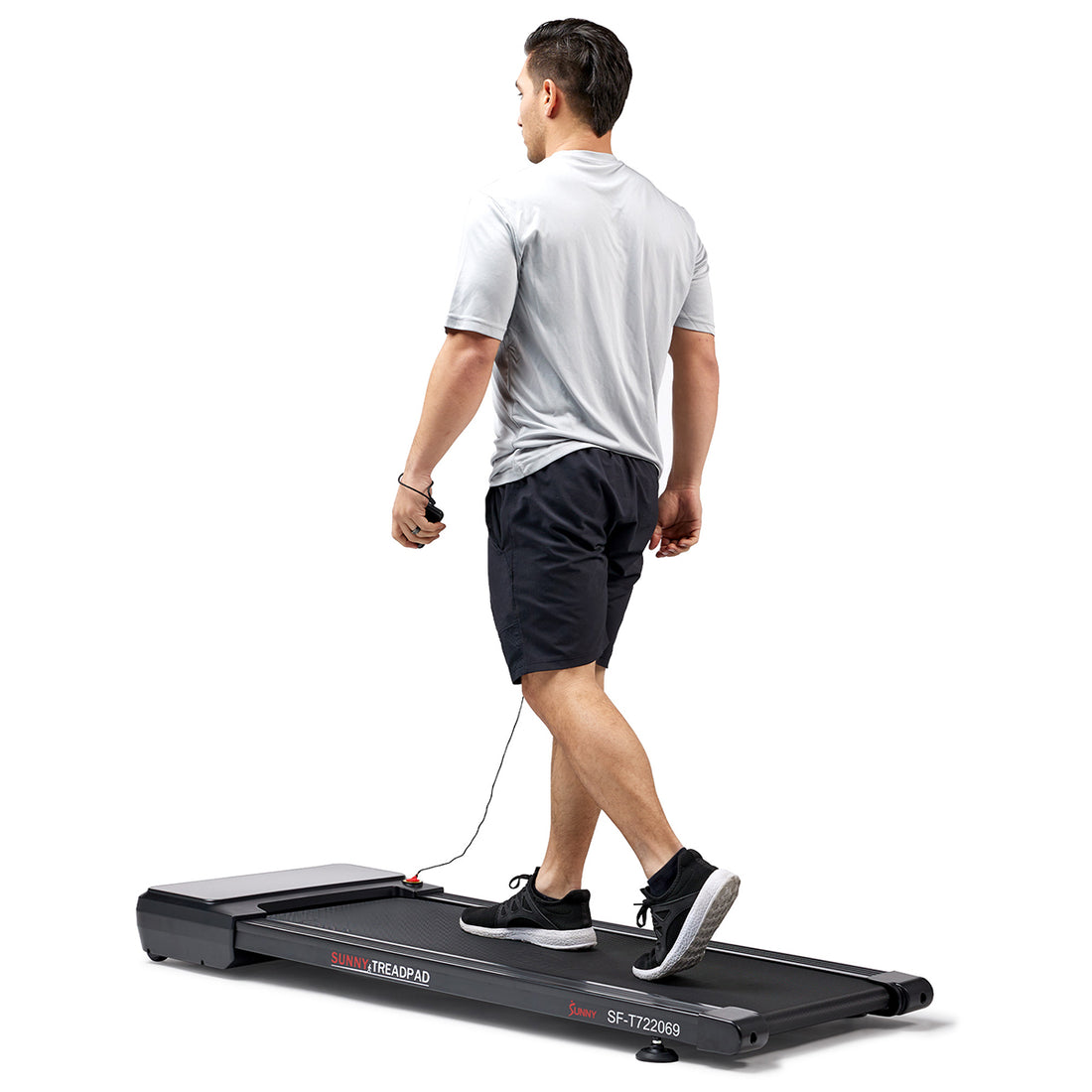
Under-desk treadmill

For a standing desk set up, consider an under-desk treadmill to increase your step count.
Stretching machines

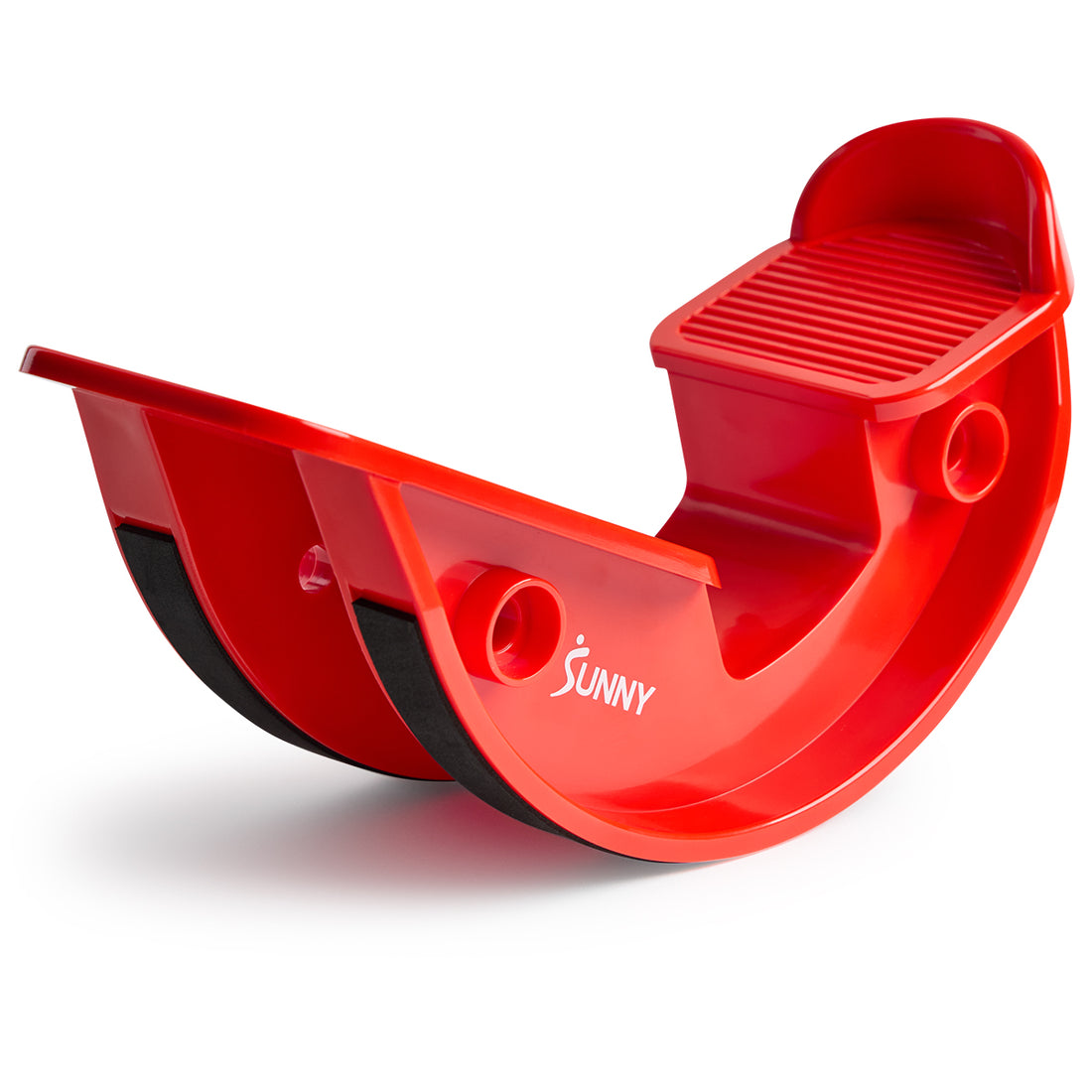
Small stretching machines can help you work out tight spots, without needing to go full pretzel mode in the middle of the office. A calf and hamstring rocker and foam roller are discreet options that can be tucked in a desk drawer when not in use.
Yoga ball
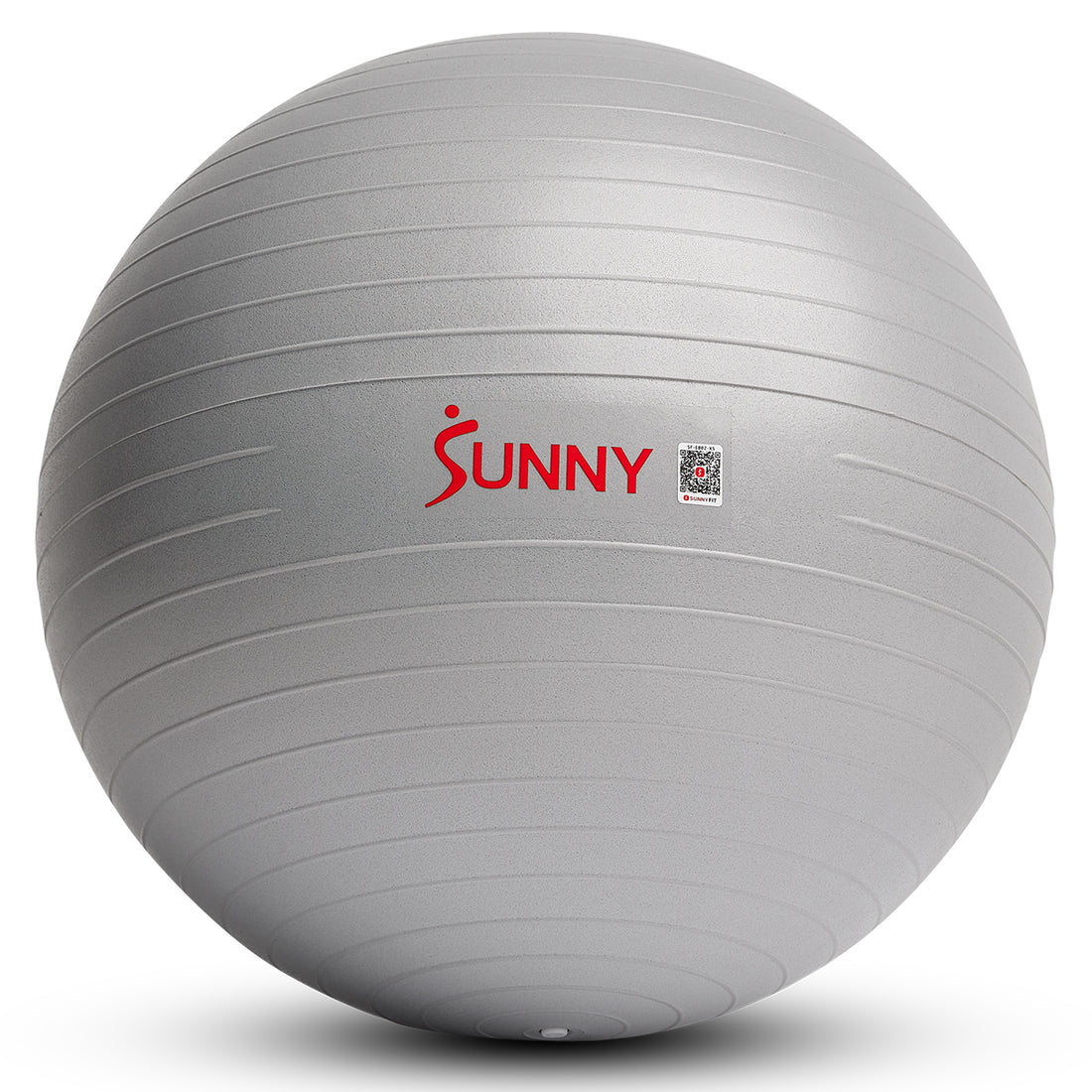
Substitute your classic swivel seat for an active chair—a seat that encourages movement while you sit—like a yoga ball. These chairs are designed to improve posture and reduce back pain.
The Bottom Line
Too much sitting can shorten your life. The good news: Getting enough activity and standing regularly can help reverse the effects of a sedentary lifestyle. Anything that gets you moving helps. Desk exercises are a practical way to boost activity, increase mobility, improve posture, and reduce pain. The best desk exercises strengthen common areas of weakness for habitual sitters like your back, glutes, and core, and stretch typical tight spots like your hip flexors, chest, and back. Fitness equipment isn’t necessary, but if it helps get you moving, it’s worth the investment.


Add Your Name & Email
Please enter your name and email to continue.We won’t display your email publicly.