





Claire Jenkins
Fitness Trainer
ACSM-CEP, MS, RYT-200
Staying active doesn't have to mean waking up at 5 a.m. for a gym session, following a strict workout schedule, or spending hours on the treadmill. Sometimes, the most realistic way to build a more active lifestyle is to find small opportunities to move throughout your day.
Whether you're working from home, spending long hours at a desk, taking care of your family, or simply trying to get out of a sedentary routine, there are plenty of easy ways to stay active without completely rearranging your schedule.
Every bit of movement counts. Short walks, household chores, stretching breaks, and a few minutes of simple exercises can all contribute to your overall physical activity. Over time, these small habits can add up and help you build a routine that feels manageable and sustainable. In this guide, we'll explore 10 easy ways to stay active every day, with practical ideas you can start incorporating into your normal routine right away.
Why Is Staying Active Throughout the Day Important?
Regular physical activity supports overall health in several ways. It can improve cardiovascular health, strengthen muscles and bones, support mental well-being, and help maintain mobility as you get older [1].
For adults, the U.S. Department of Health and Human Services recommends aiming for 150 to 300 minutes of moderate-intensity aerobic activity per week, along with muscle-strengthening activities on at least two days per week [1]. But that doesn't mean you need to complete all your activity in one long session.
Research and public health guidance emphasize that physical activity can be accumulated in smaller amounts throughout the day. Even people who are not currently meeting recommended activity levels can benefit from moving more and sitting less [1, 2]. The key is to find ways to stay active that fit your lifestyle. Here are 10 simple ways to get started.
1. Take a Walk Whenever You Can
Walking is one of the simplest ways to incorporate more movement into your day. It doesn't require a gym membership, special equipment, or a complicated plan. All you really need is a comfortable pair of shoes and a little time.
One of the easiest ways to make walking a habit is to connect it to something you already do. Instead of driving to a nearby store, walk if it's practical. Take a short stroll during your lunch break, walk while listening to a podcast, or make an after dinner walk part of your daily routine.
If you're new to exercise, start with just five to ten minutes at a comfortable pace. As you build confidence and stamina, you can gradually increase the duration or pick up the pace.
Walking at a brisk pace can count as moderate-intensity aerobic activity. A useful way to gauge your effort is the talk test: you should be able to talk but not sing comfortably [2].
Try this: Take a 10-minute walk after lunch or dinner, or split a longer walk into two shorter outings. Even a quick loop around the block after a work meeting is a worthwhile start.
2. Turn Household Chores into Movement
Housework might not be the first thing that comes to mind when you think about exercise, but everyday chores can be a practical way to get your body moving.
Activities such as vacuuming, mopping, sweeping, gardening, and carrying laundry involve movement and energy expenditure. Depending on how vigorously you do them, some household activities can contribute to your moderate-intensity physical activity goals [3].
The trick is to approach chores as an opportunity to move rather than another task to rush through. Put on some music while you tidy up, walk back and forth to put items away, or spend a few minutes watering plants and tending to your garden.
Of course, not every household task will raise your heart rate enough to count as moderate-intensity exercise. Still, lighter movement is a useful way to spend less time sitting.
Try this: Set a 10-minute timer and tackle one small cleaning task. You might be surprised how much you can get done while getting your body moving. And bonus points for tidying up your space!
3. Take Short Active Breaks Throughout the Day
If you spend much of your day sitting at a desk, working on a computer, or watching television, adding short movement breaks can help break up long stretches of inactivity.
You don't need to stop what you're doing for a full workout. Stand up, walk around the room, refill your water bottle, or do a few gentle stretches before returning to your task. Research suggests that interrupting prolonged sitting with brief bouts of physical activity, particularly light walking, can improve certain short-term measures of blood glucose and insulin response [4]. These findings support the idea of moving regularly, although short breaks aren't a substitute for meeting your overall physical activity needs.
Try connecting movement to natural pauses in your day. Get up after finishing a meeting, walk around while taking a phone call, or take a quick lap around the office between tasks.
Try this: Set a reminder to move every 30 to 60 minutes. Even a couple of minutes of walking or standing can help you build a more active routine.
4. Stretch While You Go About Your Day
Stretching is an easy way to add movement to your day, especially if you spend a lot of time sitting or doing repetitive tasks.
Gentle stretching can help maintain flexibility and make it easier to move comfortably through everyday activities. It can also provide a welcome change of position when you've been sitting for a while.
You don't need a yoga mat or a dedicated stretching session. Try rolling your shoulders back, reaching your arms overhead, gently stretching your calves against a wall, or doing a few comfortable side stretches.
If you're interested in improving flexibility, the CDC recommends including flexibility activities as part of a broader physical activity routine, particularly for older adults [2]. Stretching can complement aerobic and strength-based movement, but it doesn't replace those activities.
The most important thing is to keep stretches comfortable. Avoid bouncing or forcing a movement beyond your natural range.
Try this: Spend three to five minutes stretching after waking up, during a work break, or before bed. Focus on areas that feel stiff from your usual daily activities.
5. Choose the Stairs When You Can
Taking the stairs instead of the elevator is a simple way to incorporate more movement into your everyday routine.
Climbing stairs engages the muscles in your legs and hips while challenging your cardiovascular system. Because it typically requires more effort than walking on a flat surface, stair climbing can be a useful way to add a little more intensity to your day. You don't need to climb several flights at once to get started. Try taking the stairs for one or two floors, then use the elevator for the rest of the trip if needed.
Stair climbing can also be a convenient way to build strength and endurance for everyday tasks, such as walking uphill or carrying groceries. The amount of benefit depends on your pace, fitness level, and how often you do it [1].
If you have knee, balance, or mobility concerns, choose a comfortable alternative and use handrails when appropriate.
Try this: Take the stairs once a day at work, in your apartment building, or while running errands. As it becomes easier, gradually add another flight.
6. Fit in Short Home Workouts
You don't need a full hour to get a little strength-building activity into your day. Short home workouts can be a convenient way to strengthen your muscles without traveling to a gym.
A few minutes of bodyweight exercises can help you begin building a routine. Simple movements such as chair squats, wall push-ups, standing calf raises, and glute bridges can be adapted to different fitness levels.
Muscle-strengthening activities are an important part of the physical activity recommendations for adults, who are encouraged to work all major muscle groups on at least two days each week [2].
If you're a beginner, start with one set of five to ten repetitions of a few exercises, using a range of motion that feels comfortable. Focus on controlled movements and good form rather than trying to do as many repetitions as possible. You can gradually increase the number of repetitions or sets as the exercises become easier.
Try this: Complete a five-minute routine with chair squats, wall push-ups, and calf raises. Keep it simple enough that you're comfortable repeating it a few times a week.
7. Make Movement Part of Your Errands
Everyday errands can create opportunities to move more without adding another item to your to-do list.
If your destination is close enough and the route is safe, consider walking or cycling instead of driving. You might walk to a nearby coffee shop, take a stroll to the mailbox, or park a little farther from a store entrance. These small choices can help you build more movement into your day, especially if you tend to spend a lot of time in the car or at a desk.
Walking and cycling for transportation are recognized forms of physical activity, and they can contribute to overall health when done at an appropriate intensity [3]. The goal isn't to make every errand more complicated. Choose opportunities that are practical for your schedule, weather, safety, and mobility.
Try this: Pick one nearby destination each week that you could comfortably reach on foot. Turn the trip into a short walk rather than a separate workout.
8. Pair Dance with Other Tasks
Not every form of physical activity needs to look like traditional exercise. Dancing is a fun way to move your body, get your heart rate up, and add a little variety to your routine.
Put on your favorite playlist while cooking dinner, dance around the living room while tidying up, or spend a few minutes moving to music between work tasks. Depending on the pace and intensity, dancing can count as moderate-intensity aerobic activity [3]. It can also make movement feel more enjoyable, which may help you stick with it over time.
You don't need to learn choreography or follow a structured routine. Just choose music you enjoy and move in a way that feels natural.
Try this: Put on two or three favorite songs and dance for the length of the playlist. It's an easy way to fit a few minutes of movement into a busy day.
9. Use Simple Fitness Equipment at Home
If you want to add a little more variety to your routine, a few basic pieces of fitness equipment can make home activity more convenient.
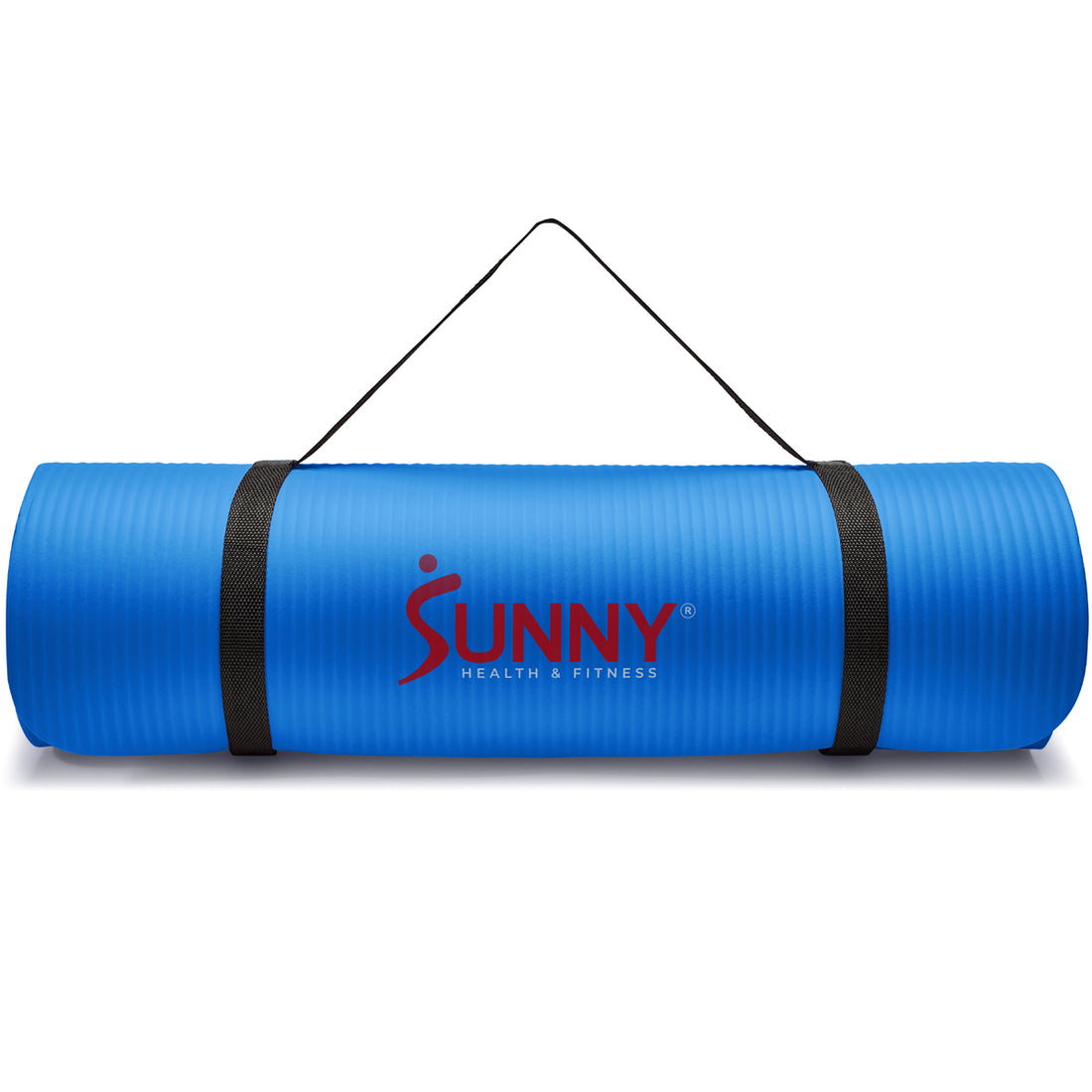
You don't need a home gym or expensive machines. A resistance band, a light pair of dumbbells, or a yoga mat can provide options for short strength and mobility sessions. Resistance bands can be used for exercises such as rows, lateral steps, and biceps curls. Light dumbbells can add resistance to movements such as squats and shoulder presses. A stationary bike or compact treadmill may be useful if you prefer indoor aerobic activity.
Resistance training is one way to meet the muscle-strengthening recommendations for adults [2]. The appropriate equipment and resistance depend on your current fitness level, goals, and any physical limitations. Start with a manageable amount of resistance and focus on learning the movement safely before increasing the challenge.
Try this: Keep a resistance band somewhere visible and use it for a few minutes of simple exercises during a break. Having equipment within easy reach can make it easier to get started.

10. Make Movement a Social or Family Activity
Finding ways to move with other people can make physical activity feel more enjoyable and easier to fit into your routine.
Instead of meeting a friend for coffee every time, suggest a walk together. Take a stroll with your family after dinner, play a casual game of catch, or spend time exploring a local park. If you have children, everyday play can also provide opportunities to move. Playing tag, kicking a ball around, or joining in a game on the playground can get everyone moving without feeling like a formal workout.
The World Health Organization recognizes active recreation, play, walking, and other everyday movement as important forms of physical activity [3]. You don't need to turn every social gathering into an exercise session. The goal is simply to find enjoyable ways to spend a little more time moving.
Try this: Invite a friend or family member to join you for a 15-minute walk once or twice a week. Choose a time that works naturally with your schedule.

How to Make Staying Active a Habit
Knowing how to stay active is one thing; finding a routine you can actually maintain is another. The good news is that you don't have to change everything at once. Here are a few simple ways to make movement a more natural part of your day:
-
Start small. Choose one or two activities that feel manageable, such as a short walk or a few minutes of stretching.
-
Build on existing habits. Pair movement with something you already do, like walking after lunch or stretching while your coffee brews.
-
Focus on consistency, not perfection. Missing a day doesn't undo your progress. Simply pick up where you left off.
-
Choose activities you enjoy. Walking, dancing, gardening, and playing with your kids can all be part of an active lifestyle.
- Gradually increase your activity. As your stamina improves, add a few minutes, increase your pace, or try a new activity.
Remember, the goal isn't to turn every moment of your day into exercise. It's to find realistic opportunities to move more and sit less.
A Little Movement Goes a Long Way
Finding easy ways to stay active doesn't have to mean squeezing a traditional workout into an already busy schedule. Walking, household chores, active breaks, stretching, and short home workouts can all help you incorporate more movement into your everyday life.
Although these activities vary in intensity, they can help you build a foundation for a more active lifestyle. Over time, combining everyday movement with regular aerobic and muscle-strengthening activities can help you work toward recommended physical activity levels [1, 2].
Start with one small change today. Take a short walk, stretch during a break, or put on your favorite song and dance around the living room. The best routine is one that fits your life and feels realistic enough to keep doing.


Add Your Name & Email
Please enter your name and email to continue.We won’t display your email publicly.